
Loading…
Loading…


This fund aims to mirror the performance of a specific index by investing at least 80% of its total capital in the index's constituent securities. The underlying index focuses on companies that generate a minimum of 50% of their revenue or hold at least 50% of their assets from activities integral to "energy transition materials." These activities span the full spectrum, including the discovery (exploration), extraction (mining), development, production, processing (refining or smelting), and recycling of these critical materials. Alternatively, the index may also include firms whose primary…
Is SETM's expense ratio expensive, average, or a steal for its category?
Pro reveals the verdict on a 5-tier spectrum calibrated against ICI 2025 industry averages, with strategy-aware bands so the comparison is meaningful.
For advisors and investors still seeking to amplify their portfolio's diversification and inflation resilience, commodities can help meet the moment. However, some commodities may be especially well-positioned to take advantage of long-term trends and growth opportunities.
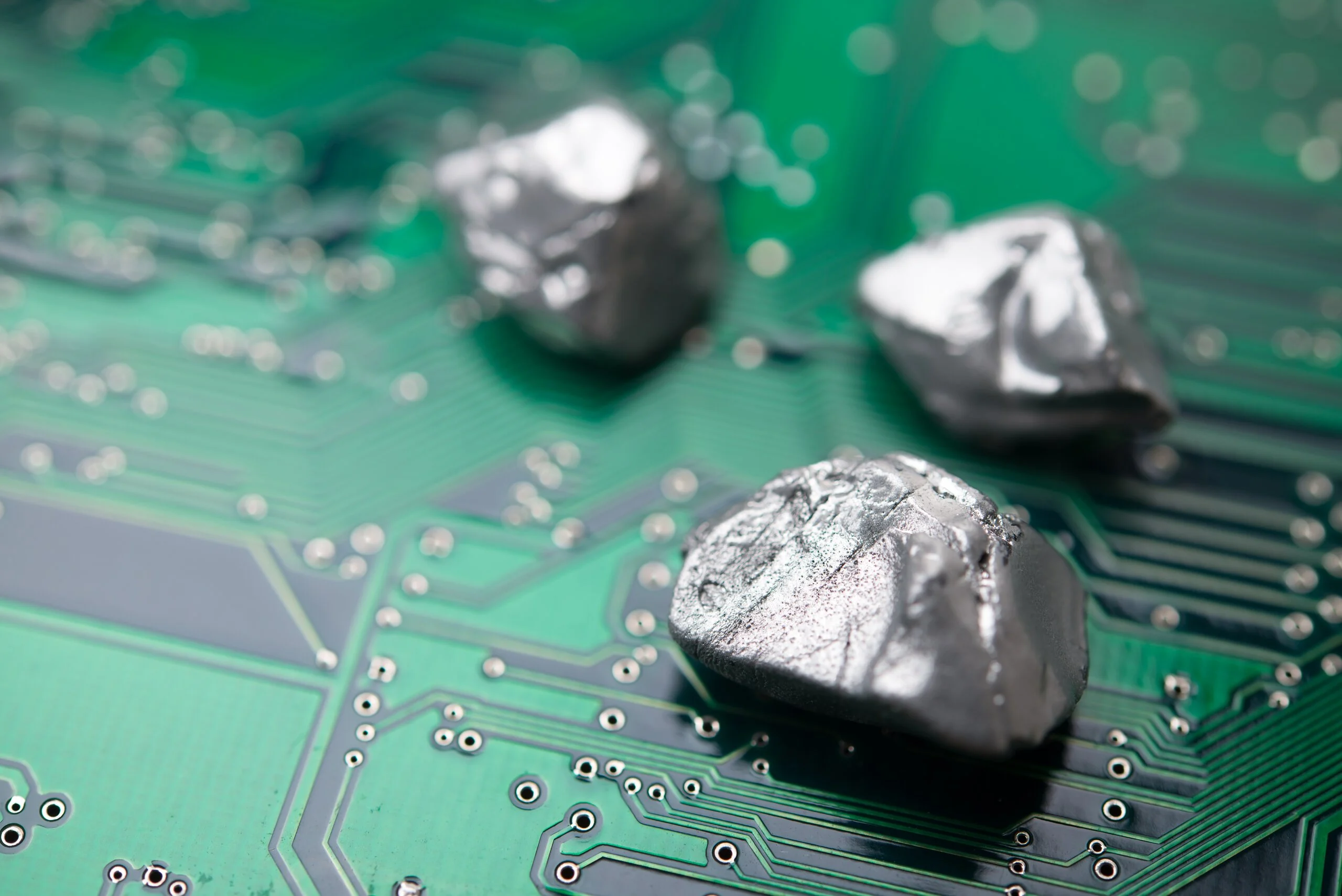
The AI trade everyone owns sits at the visible layer, but the physical chokepoint powering the entire buildout belongs to a corner of the market almost no growth portfolio touches. One specialist firm thinks that gap closes fast, and the reason has nothing to do with mining.
Those who have been keeping a close eye on the commodities market know that critical material supply chains have become a top priority for nations worldwide. Not only has the United States been seeking to end its reliance on China for critical materials, but the European Union is also ramping up its efforts.
Materials are often viewed as a sleepy, cyclical corner of the market, but the artificial intelligence (AI) buildout is adding vim and vigor to the sector.