
Loading…
Loading…

RWIU (Direxion FTSE Russell International Over US ETF) is no longer actively trading.
This usually means the fund has been liquidated, merged into another product, or its ticker has been retired. Every price, valuation, dividend, and analyst figure on this page is frozen at the last available trading session and reads as historical reference — not a current-day signal.

The investment seeks investment results, before fees and expenses, that track the FTSE All-World ex US/Russell 1000Â 150/50 Net Spread Index (the "index"). The fund, under normal circumstances, invests at least 80% of its net assets (plus borrowing for investment purposes) in securities that comprise the Long Component of the index or shares of exchange-traded funds ("ETFs") on the Long Component of the index. The index measures the performance of a portfolio that has 150% long exposure to the FTSE All-World ex US Index (the "Long Component") and 50% short exposure to the Russell 1000Â Index (the "Short Component"). The fund is non-diversified.
Is RWIU's expense ratio expensive, average, or a steal for its category?
Pro reveals the verdict on a 5-tier spectrum calibrated against ICI 2025 industry averages, with strategy-aware bands so the comparison is meaningful.
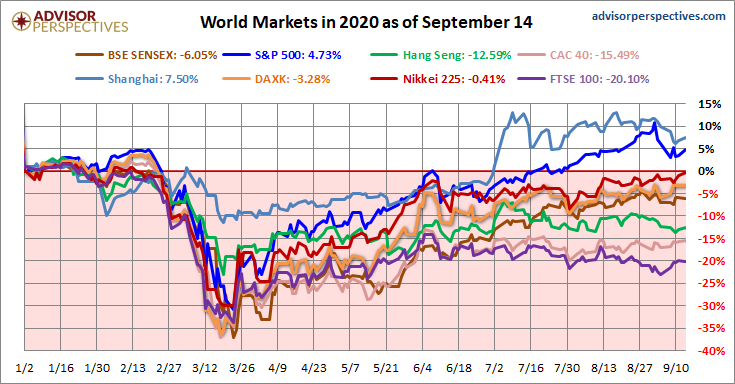
Six of eight indexes on our world watch list posted losses through September 14, 2020. The top performer is China's Shanghai with a gain of 7.50%.

Our leading economic indicators suggest growth is gaining momentum. Global market sentiment continues to improve, as evidenced by broad-based outperformance of risky assets over defensive assets in both equity and fixed-income markets.

The Australian dollar is consolidating yesterday's recovery and is in about a quarter-cent range above $0.7260. The ECB dominates today's agenda.

Equities continued to slump in the Asia-Pacific region, with many large markets off more than 1%, led by Australia's more than 2% decline.

The MSCI Asia Pacific Index snapped a three-day slide today with most markets moving higher, led by a 1% gain in Australia.