
Loading…
Loading…


JPMorgan Chase and Co. lowered its stake in iShares MSCI Qatar ETF (NASDAQ: QAT) by 56.5% during the third quarter, according to the company in its most recent filing with the SEC. The institutional investor owned 94,081 shares of the company's stock after selling 122,225 shares during the quarter. JPMorgan Chase and Co.

Crude oil stocks stand to gain from surging prices and supply chain disruptions, offering investors defensive, short-term tactical buying opportunities. The goal of defensive trading is to preserve capital and mitigate risk until more favorable market conditions return. Explore the ‘Strong Buy' recommendations in this article, which are up an average +60% YTD, trade at a discount, and offer strong fundamentals that may benefit from the crude oil trade.

The iShares MSCI Qatar ETF hasn't really made any progress over the past year, but we think this could change as the macroeconomic conditions improve. GDP growth, which likely grew at 1.5-2% last year, will expand by 2.6-2.7% this year, with a tremendous spurt in the following year (5.5%) as higher LNG capacity comes online. Qatar could control a quarter of the global LNG market by the end of this decade, while structural reforms have been put in place to generate average GDP growth of4%.

Qatar, like the rest of the Gulf, tends to track the O&G cycle, so the recent downcycle doesn't bode well for its prospects. The financials-heavy iShares MSCI Qatar ETF portfolio faces additional headwinds from the government's de-levering efforts. The QAT valuation and yield may look appealing on a trailing basis but heading into a period of potential negative revisions, I would remain sidelined.

World Cup Hosting Lifts Qatar's Real GDP Growth To 8.0% YOY In Q4; Slower Growth Ahead

The Gulf Cooperation Council area has so far withstood global challenges, with year-on-year GDP growth accelerating to 6.9% in 2022, driven by high oil prices and stronger growth rates in non-oil sectors. Inflation rates in the Gulf Cooperation Council countries remain below the regional and global levels and are subsiding faster, expected to average about 2.7% in 2023, down from 3.2% in 2022.
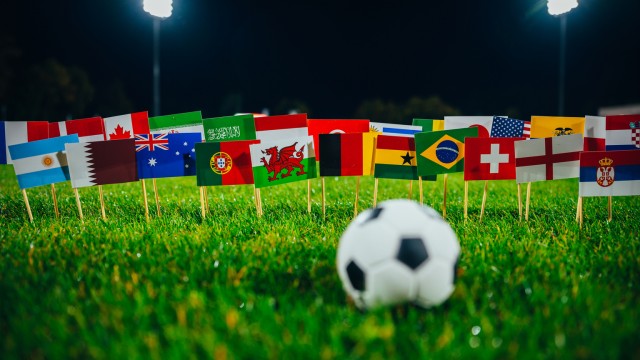
Qatar is an emerging market that is often overlooked and it could be a huge global economic player in the future. However, ETFs primarily invest in banks.
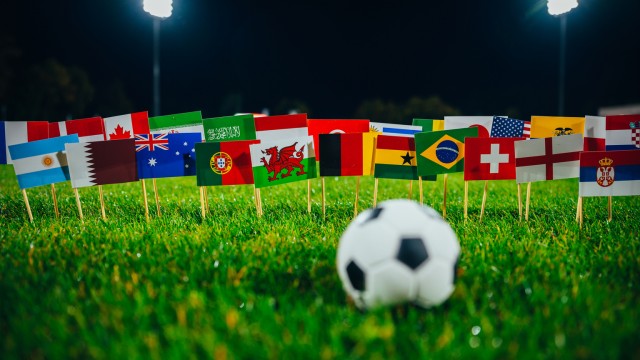
The fund is heavily weighted towards Financials which represent more than 50% of its holdings. iShares is the only provider to offer an ETF with 100% exposure to Qatari stocks.