
Loading…
Loading…



Fatih Birol, Executive Director of the International Energy Agency speaks to CNBC's Dan Murphy, saying the agency is ready to act again to support markets following its release of oil stocks, and is assessing and discussing the next "concrete steps" with member governments.

Talks between Saudi Arabia, Turkey, Pakistan and Iranian officials in Tehran on Monday have raised hopes of a de-escalation in the regional conflict. U.S. President Donald Trump is weighing whether to pursue an agreement with Tehran or launch further military action.

Carley Garner of @Decarleytrading says the issue with crude oil isn't getting volume through the Strait but instead how expensive it is. However, seasonality shows oil topping in late October or early November.

Oil prices ease and European bonds recover ahead of Fed, ECB and BOJ decisions, while EUR/USD consolidates near 1.12 amid lingering inflation risks.

Oil prices declined in Asian trade on likely technical correction after Brent futures ended last week at the highest level since April this year.
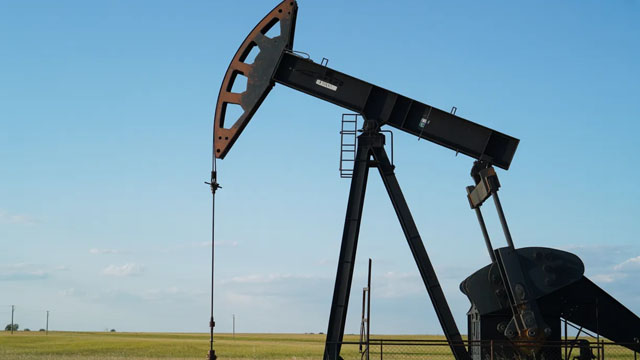
BEIJING, Oct 26 (Reuters) - Oil prices lost nearly $1 on Monday after the market opened, falling back from their highest in nearly six months. U.S. crude futures were down 99 cents, or 0.

Seaport Research Partners Chief Equity Strategist Jonathan Golub tells Bloomberg This Weekend that stocks are not in an AI bubble, arguing that strong earnings and lower valuations show investors remain skeptical even as AI drives much of the market. Speaking with hosts David Gura and Christina Ruffini, Golub says a prolonged Middle East conflict could keep oil and inflation elevated, eventually forcing the Federal Reserve to respond as strains emerge in credit markets.

U.S. stocks declined as Wall Street continued its move toward less risky investments and as oil prices climbed to their highest level in five months.