
Loading…
Loading…



Europe's macro outlook is shifting. After years of fiscal restraint and fragmented policy, the region is entering a new chapter - one centered on pro-growth fiscal policy, energy security, and capital-market reform.

As concerns related to tariffs weigh heavily on the U.S. market, investors are increasingly eyeing Europe. The ALPS O'Shares Europe Quality Dividend ETF (OEUR) is designed to provide exposure to European companies with good earnings and strong balance sheets that also provide investors with income.
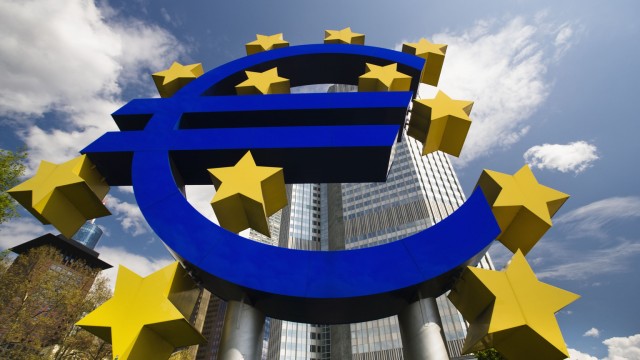
The European Central Bank cut interest rates by 25bps, bringing the deposit rate down to 3.75%. Inflation is expected to come in at 2.5% in 2024, 2.2% in 2025 and 1.9% in 2026.

Declining inflation and slower growth have contributed to the rising potential for rate cuts in Europe. Eurozone core inflation has been coming down more quickly than similar measures in the U.S. and the U.K. If the euro were to weaken and drop through parity, that might give the ECB pause about cutting rates.

Eurozone GDP grew by 0.3% in the first quarter, and that's the strongest growth since the third quarter of 2022 when the energy crisis started.
Business activity in the euro area came close to stabilising in March, as provisional PMI® survey data registered only a marginal decline in output of goods and services.

The eurozone escaped a technical recession, and a number of indicators suggest the economy is now bottoming out. The ECB is expected to cut rates from June onwards, but more cautiously than the market is currently anticipating.

The European Central Bank left interest rates unchanged, without conveying any urgency to start cutting rates in the next few months. It seems most likely that June or July would be the preferred time to start cutting rates.