
Loading…
Loading…

PPEM (Putnam PanAgora ESG Emerging Markets Equity ETF) is no longer actively trading.
This usually means the fund has been liquidated, merged into another product, or its ticker has been retired. Every price, valuation, dividend, and analyst figure on this page is frozen at the last available trading session and reads as historical reference, not a current-day signal.


Shares of Putnam PanAgora ESG Emerging Markets Equity ETF (NYSEARCA:PPEM - Get Free Report) fell 0.8% during trading on Wednesday. The stock traded as low as $27.14 and last traded at $27.14. 3,982 shares changed hands during trading, an increase of 6% from the average session volume of 3,753 shares. The stock had previously
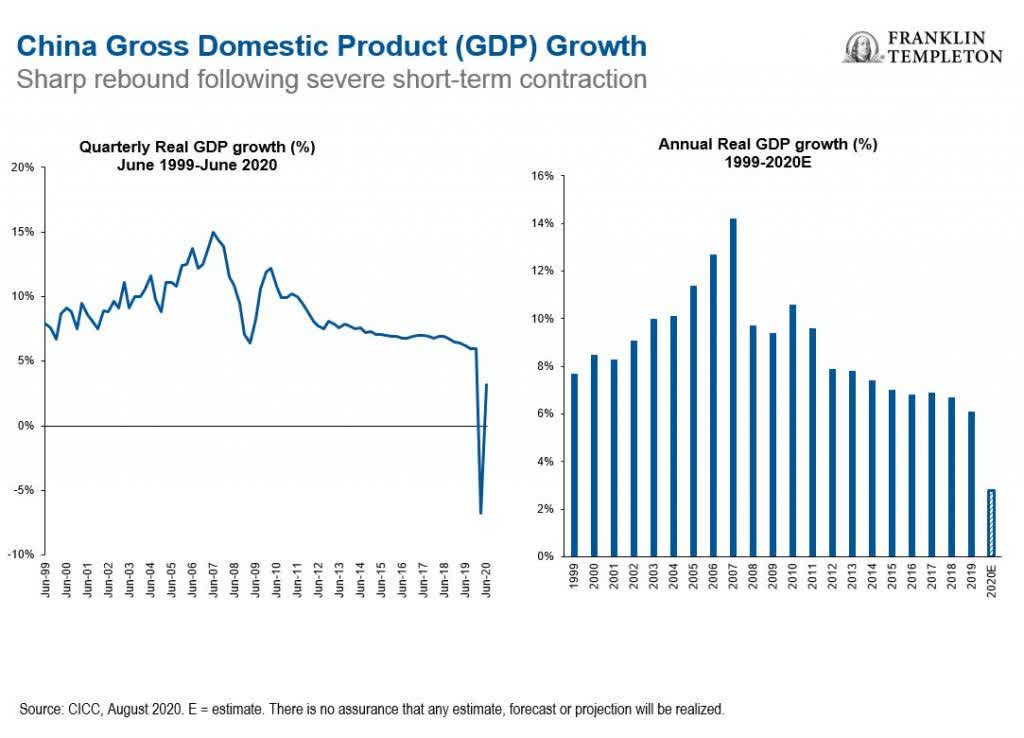
Asian markets rose in August to seal the best regional performance in EMs. Stocks in China, India and Indonesia posted notable gains.

Allocating to smaller companies can help broaden an EM allocation by providing a different mix of exposures to opportunities across countries and sectors.
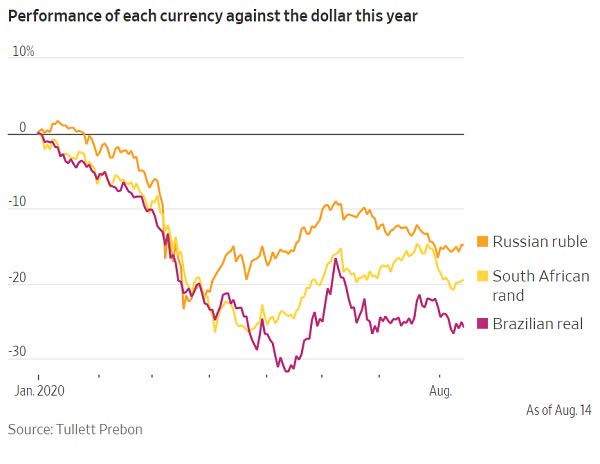
Back in the simpler days of 2019, there was this (now completely forgotten) impending crisis in which emerging market countries' dollar-denominated debt was going to blow up their - and by extension the rest of the world's - economies.
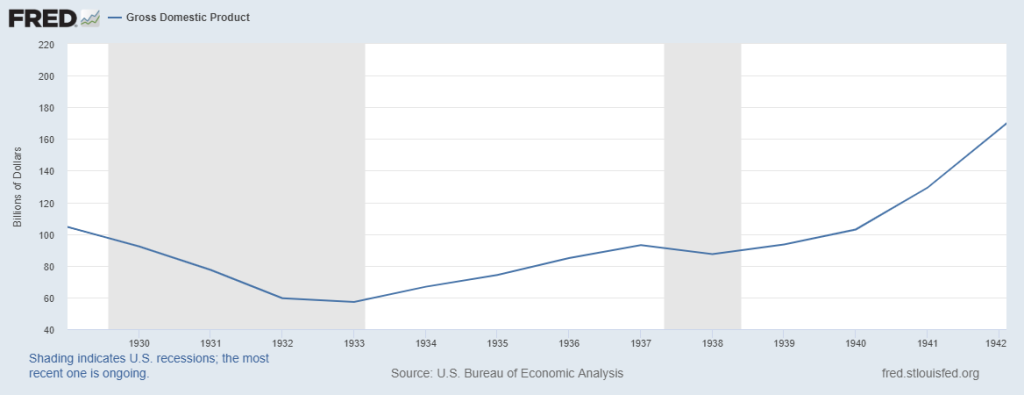
Defining a depression as opposed to a recession is open to wide interpretation. Recessions are a natural part of the credit cycle.
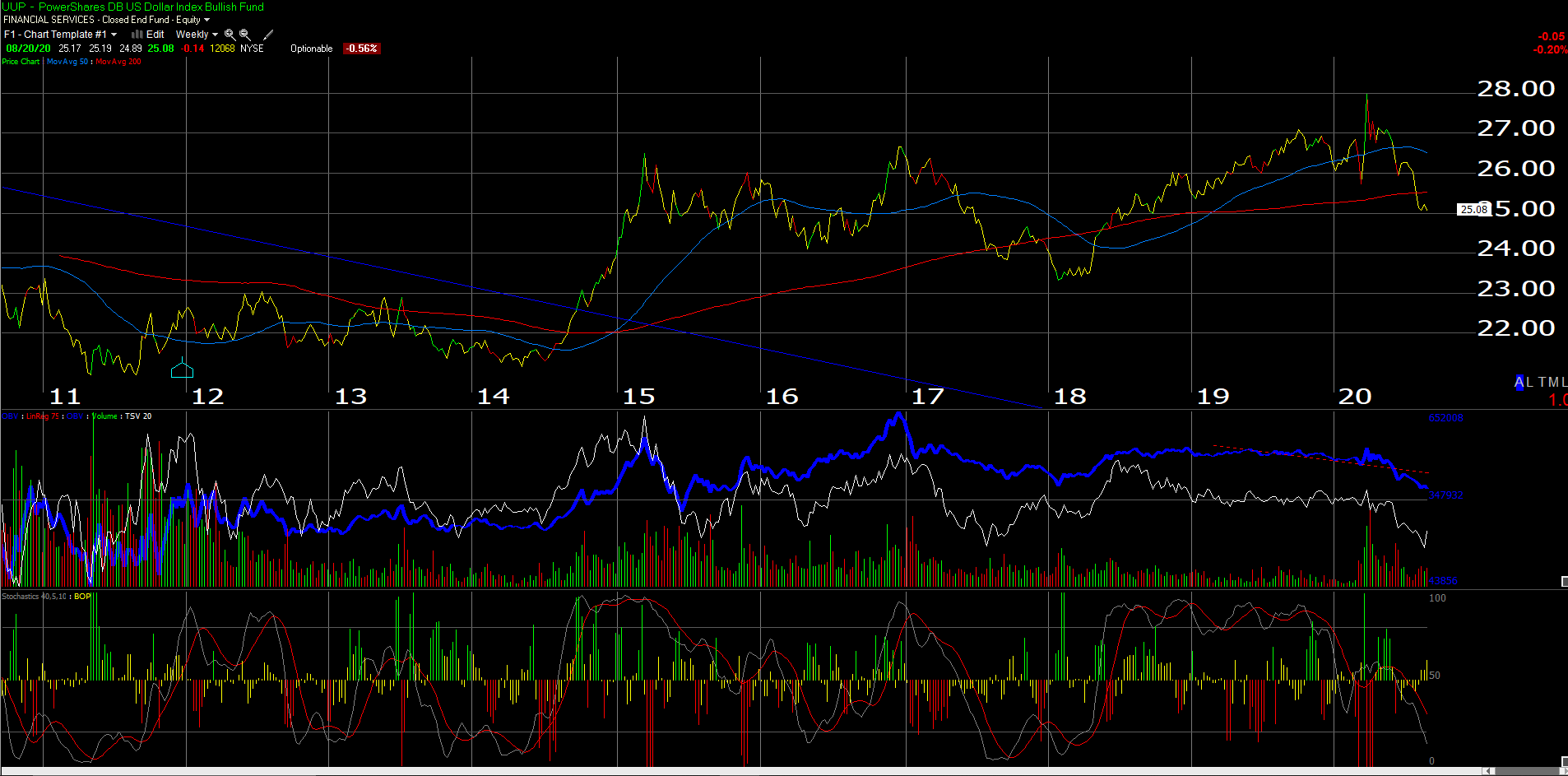
The emerging markets had a solid July 2020, up roughly 7% depending on the proxy you use. VWO and OAKIX represent uncorrelated holdings for the growthier positions in client accounts.

The size and speed of the dollar’s fall are driven more by euro strength flowing out from the ECB’s move toward debt mutualization than by dollar weakness.
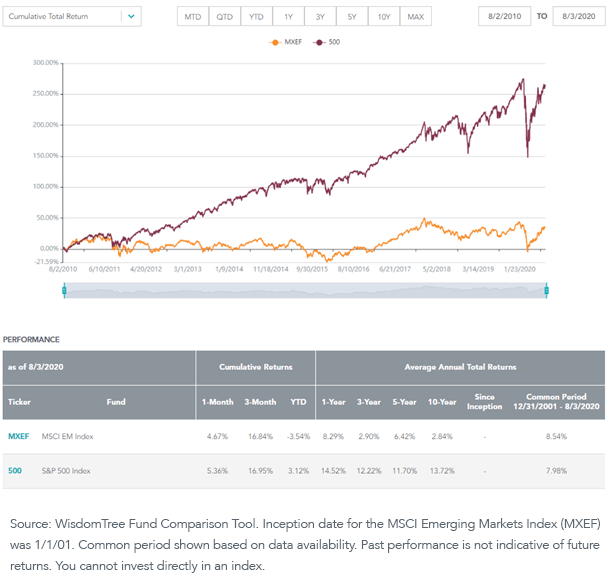
It's been a remarkable decade for the S&P 500 Index. Less so for global benchmarks.