
Loading…
Loading…


The Innovator U.S. Equity Power Buffer ETF (PAPR) is engineered to mirror the performance of the SPDR S&P 500 ETF Trust (SPY), albeit with its maximum gains limited by a preset ceiling. Concurrently, it shields investors from the first 15% of potential market losses over a defined period. This ETF is designed for continuous investment, as its protective buffer and growth cap are recalibrated at the conclusion of each approximately annual cycle.
Is PAPR's expense ratio expensive, average, or a steal for its category?
Pro reveals the verdict on a 5-tier spectrum calibrated against ICI 2025 industry averages, with strategy-aware bands so the comparison is meaningful.

Unlike a traditional ETF, PAPR does not actually hold stocks. Instead, it holds a portfolio of index options designed to produce a specific risk and return profile over a defined period.
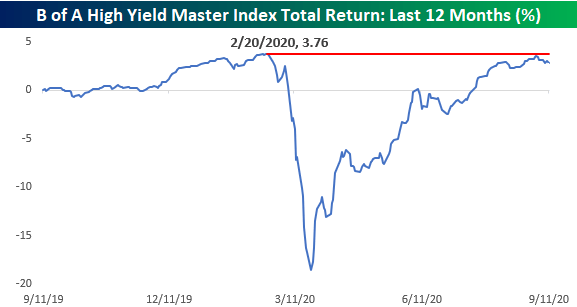
Performance in the high yield market hasn't been quite as strong as the S&P 500. While total return levels in the high yield market are important to track, spreads in high yield debt relative to treasuries provide a more useful barometer.
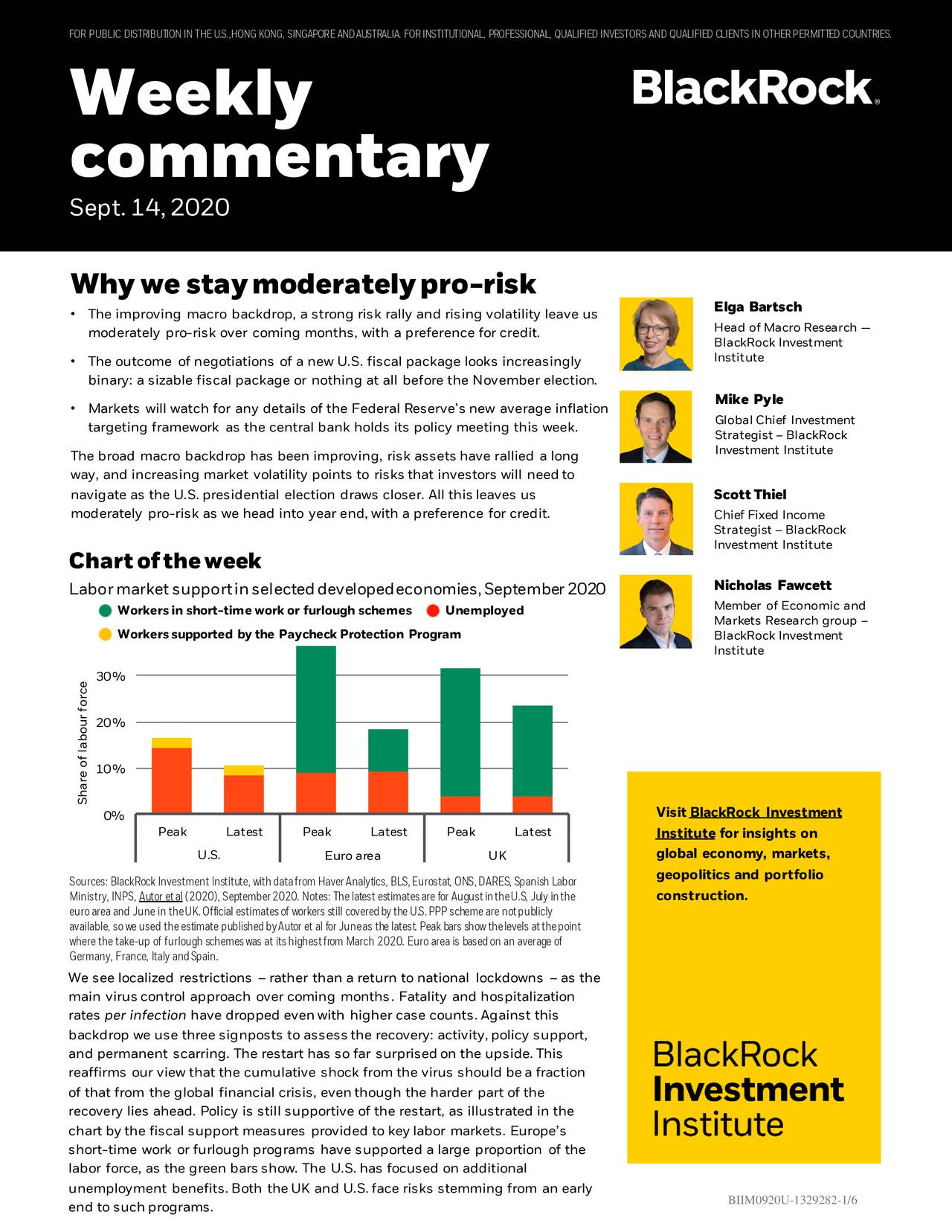
The improving macro backdrop, a strong risk rally and rising volatility leave us moderately pro-risk over coming months, with a preference for credit.
With his ATAC Rotation Fund (ATACX) up 58% YTD, Michael Gayed explains how he uses historically proven leading indicators of volatility to generate outsized returns.
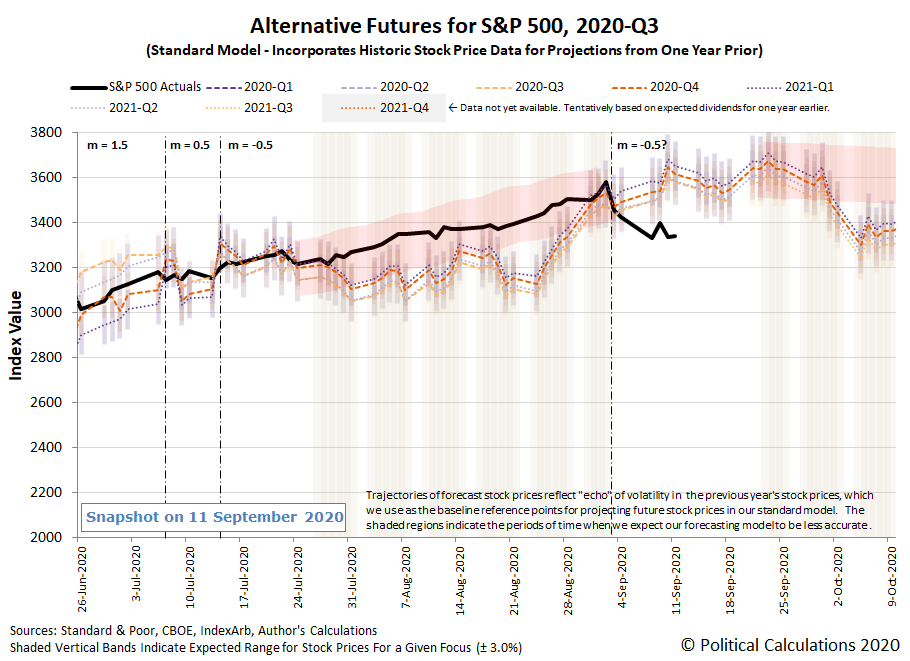
2020's summer rally for the S&P 500 (Index: SPX) came to a crashing end on September 3, 2020. When did SoftBank's 'NASDAQ whale' start this rally-juicing strategy? Looking forward, the upcoming week will hopefully provide enough additional data for us to more firmly estimate the value of the amplification factor..