
Loading…
Loading…

OAIA (Teucrium Aila Long-Short Agriculture Strategy ETF) is no longer actively trading.
This usually means the fund has been liquidated, merged into another product, or its ticker has been retired. Every price, valuation, dividend, and analyst figure on this page is frozen at the last available trading session and reads as historical reference — not a current-day signal.

The index generally consists of between one and nine standardized agricultural commodities futures contracts traded on either the CBOT or ICE on the following commodities: Corn, Soybeans, Soybean Meal, Soybean Oil and Wheat. The fund will generally use a “replication” strategy to seek to achieve its investment objective, meaning it generally will invest in all of the components of the index in approximately the same proportions as in the index. It is non-diversified.
Is OAIA's expense ratio expensive, average, or a steal for its category?
Pro reveals the verdict on a 5-tier spectrum calibrated against ICI 2025 industry averages, with strategy-aware bands so the comparison is meaningful.

When it comes to an exchange-traded fund (ETF) strategy, an innovative way to produce alpha may attract the attention of investors, but ultimately, it needs to produce. That's exactly what the the Teucrium AiLA Long-Short Agriculture Strategy ETF (OAIA) is doing when compared to the broader S&P GSCI Agriculture index.
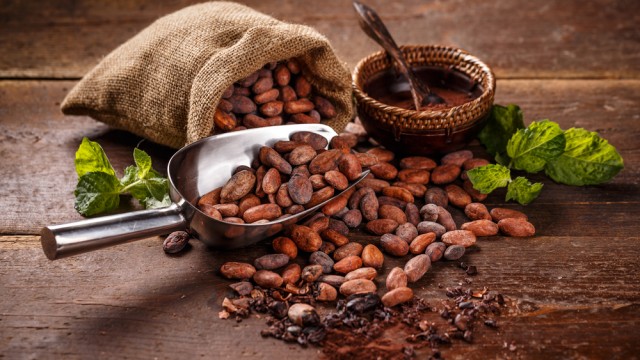
While the general agricultural commodities market may be retreating, certain commodities are offering sweet gains. Cocoa, for instance, has been reaching record highs as their futures continue surging thanks to supply/demand disruptions.

Getting exposure to agricultural commodities certainly comes with its own unique set of challenges. Given that, it helps to get nuanced exposure to a sound strategy.

Investors aren't always thinking about commodities, but Teucrium CEO Sal Gilbertie is. Even with the Magnificent Seven leading the market, commodities can provide meaningful diversification.
Broad commodities have struggled this year. The S&P GSCI Index is down more than 5% year-to-date.