
Loading…
Loading…



Bank of America will acquire up to 49.9% stake in Jio Credit, a unit of Jio Financial Services , for as much as 182.68 billion rupees ($1.92 billion), the companies said on Wednesday.
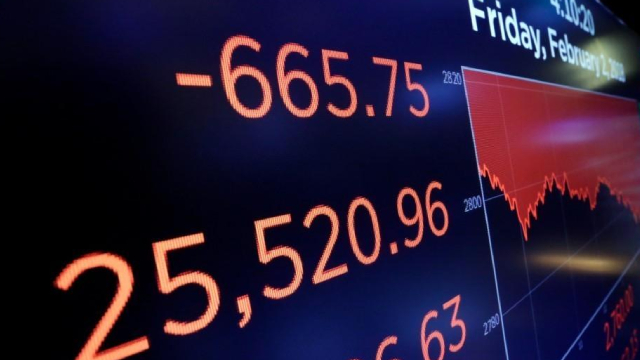
High yield debt, also known as junk bonds, isn't always synonymous with quality, but that's why there are credit ratings. Those grades give investors indications as to which bonds have some semblance of quality traits and upgrade potential while also providing clues about default risk and low quality.

Many novice investors believe the equity market is the economy. However, the bond market is where to look when searching for clues regarding the health of the broader economy.

In late October, the Federal Reserve delivered its second interest rate cut of 2025. Chairman Powell cast doubt on whether another reduction is coming in December.

Corporate bonds, both investment-grade and high-yield fare, are among the best-performing fixed income segments this year. That's the good news.
Fixed income investors know that bond prices and yields move inverse of one another. That means when yields decline, prices rise.

It's been a good year to be involved with both high-yield and investment-grade corporate debt. Indeed, the two largest ETFs addressing those corners of the bond market are up an average of 7% year-to-date as of September 26.

Old guard high-yield corporate bond ETFs have plenty of fans among advisors and fixed income investors. That's understandable because those funds, usually passively managed, provide broad exposure to junk-rated debt, often with favorable fees.
SEC filings for NBFC aren't indexed yet — common for recently launched funds. Browse the issuer's filings on SEC EDGAR directly.