
Loading…
Loading…


The State Street SPDR S&P North American Natural Resources ETF (NANR) aims to replicate the total return performance of the S&P BMI North American Natural Resources Index, before accounting for fees and expenses. This ETF provides investors with access to large and mid-capitalization publicly traded companies within the energy, metals & mining, and agriculture industries located in the United States and Canada. Each quarter, during its index rebalancing, the portfolio's allocation to these sectors is set, specifically maintaining 45% in energy companies, 35% in metals and mining firms, and 20% in the agriculture sector.
Is NANR's expense ratio expensive, average, or a steal for its category?
Pro reveals the verdict on a 5-tier spectrum calibrated against ICI 2025 industry averages, with strategy-aware bands so the comparison is meaningful.

State Street SPDR S&P North American Natural Resources ETF offers diversified exposure to U.S. and Canadian energy, metals & mining, and agriculture equities. NANR boasts strong value characteristics and has demonstrated effectiveness as an inflation hedge, notably outperforming in 2022. The ETF has a competitive 0.35% expense ratio, balanced cap exposure, and recent outperformance versus the S&P 500 over 12 months.

Artificial intelligence (AI), cloud computing, and machine learning are just a few of the obvious tech innovations dominating the majority of investor attention spans these days. Along with the companies focused on these technologies, attention also diverts to those integral to meeting hardware demands, like semiconductor firms.
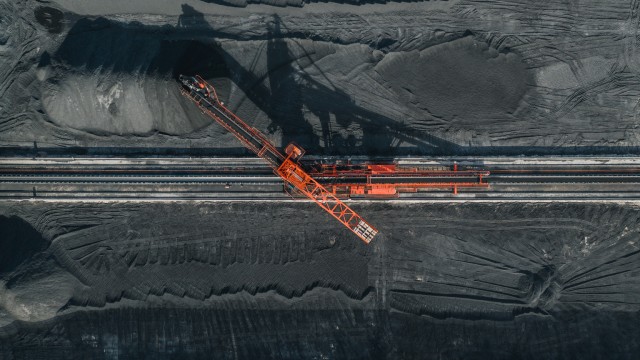
The article discusses the potential impact of China's economic acceleration on commodities and suggests that funds like NANR can be a hedge and benefit from cost-push inflation. NANR is an ETF that tracks the S&P North American Natural Resources Index and provides exposure to US and Canadian companies in the natural resources and commodities sectors. The fund has a concentrated portfolio with solid valuations and has outperformed other natural resources ETFs. It offers a less volatile way to invest in the sector.

Inflation is reaccelerating. The SPDR S&P North American Natural Resources ETF's portfolio of resource equities should serve as a hedge against such inflation. The Fund's management fee is competitive and the fund pays a quarterly dividend.
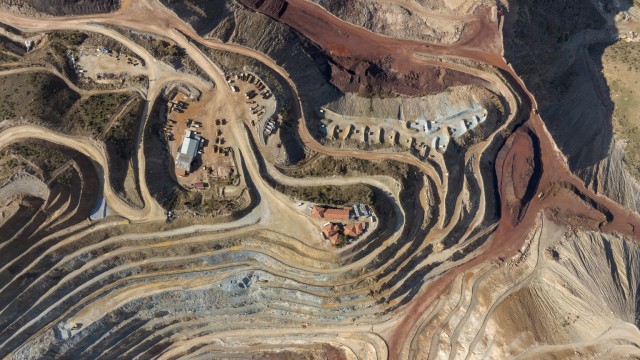
The NANR ETF provides exposure to North American mid- to large-cap companies in the resource sectors. Resource companies have faced challenges in 2023, with flat or declining commodity prices affecting their revenues and earnings. Weak global economic growth, particularly in China, has contributed to the weakness in commodity prices, and there are concerns about a potential slowdown in the U.S. economy.