
Loading…
Loading…



The multi-year cannabis sector bear market is starting to give way to a calculated wave of industry consolidation. Behind the urge to merge is a significant shift in U.S. federal regulatory policy, encouraging better-capitalized operators to secure global supply chains before tax relief drives widespread multiple expansion.

AdvisorShares Pure US Cannabis ETF (NYSEARCA:MSOS - Get Free Report)'s share price gapped down before the market opened on Wednesday. The stock had previously closed at $5.09, but opened at $4.75. AdvisorShares Pure US Cannabis ETF shares last traded at $4.6590, with a volume of 2,068,951 shares trading hands. AdvisorShares Pure US Cannabis ETF Stock

I reiterate my Buy rating on AdvisorShares Pure US Cannabis ETF despite the DEA pausing rescheduling hearings. MSOS remains attractive as the rescheduling catalyst is delayed, not canceled, and underlying holdings appear reasonably valued. Trulieve Cannabis Corp., MSOS's largest holding, stands out due to its Florida medical sales focus and normalized tax rates.

Shares of Tilray Brands (NASDAQ:TLRY) are up 6% to $4.75 Wednesday afternoon, participating in a broad bid for beaten-down speculative names.

Limited-license states often favor established cannabis operators. Scale and positive cash flow create lasting competitive advantages.

The AdvisorShares Pure US Cannabis ETF is rated a buy, driven by real regulatory progress and potential further catalysts. Rescheduling of medical cannabis to Schedule III reduces tax burdens, improving cash flows and the cost of capital for MSOS holdings. Upcoming DEA hearings on adult-use rescheduling and earnings reports could deliver upside surprises and further margin expansion.
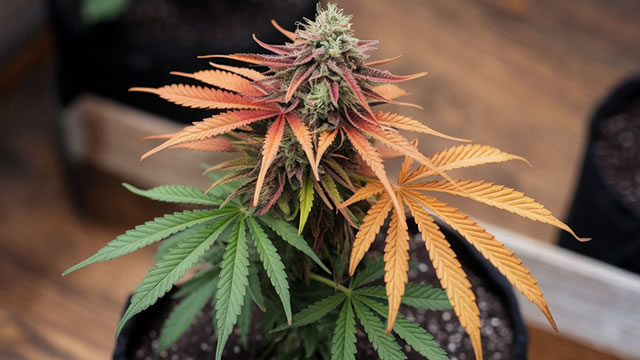
Owning individual U.S. cannabis operators means wrestling with OTC-listed tickers, thin liquidity, and a patchwork of state licenses that most brokerage screeners barely index.

The cannabis sector continues to attract investors seeking long-term growth opportunities in 2026. Although volatility remains high, many marijuana companies are improving operations and cutting costs. At the same time, investors continue watching potential federal reform closely. Rescheduling discussions and banking reform could become major catalysts for the industry.