
Loading…
Loading…

MFMS (Motley Fool Small-Cap Growth ETF) is no longer actively trading.
This usually means the fund has been liquidated, merged into another product, or its ticker has been retired. Every price, valuation, dividend, and analyst figure on this page is frozen at the last available trading session and reads as historical reference — not a current-day signal.

The fund invests in a focused portfolio of the common stocks of high-quality companies organized in the United States that are engaged in a broad range of industries. Under normal market conditions, the fund invests at least 80% of its net assets (plus the amount of any borrowings for investment purposes) in equity securities issued by small capitalization companies. It is non-diversified.
Is MFMS's expense ratio expensive, average, or a steal for its category?
Pro reveals the verdict on a 5-tier spectrum calibrated against ICI 2025 industry averages, with strategy-aware bands so the comparison is meaningful.

Data on the rotation between small-cap growth and value stocks goes back decades. Looking back over 40 years, small value beat small growth about two-thirds of the time.

Best And Worst Q4 2020: Small Cap Growth ETFs And Mutual Funds

Both Sides Now: The Active Vs. Passive Debate Revisited (Podcast)
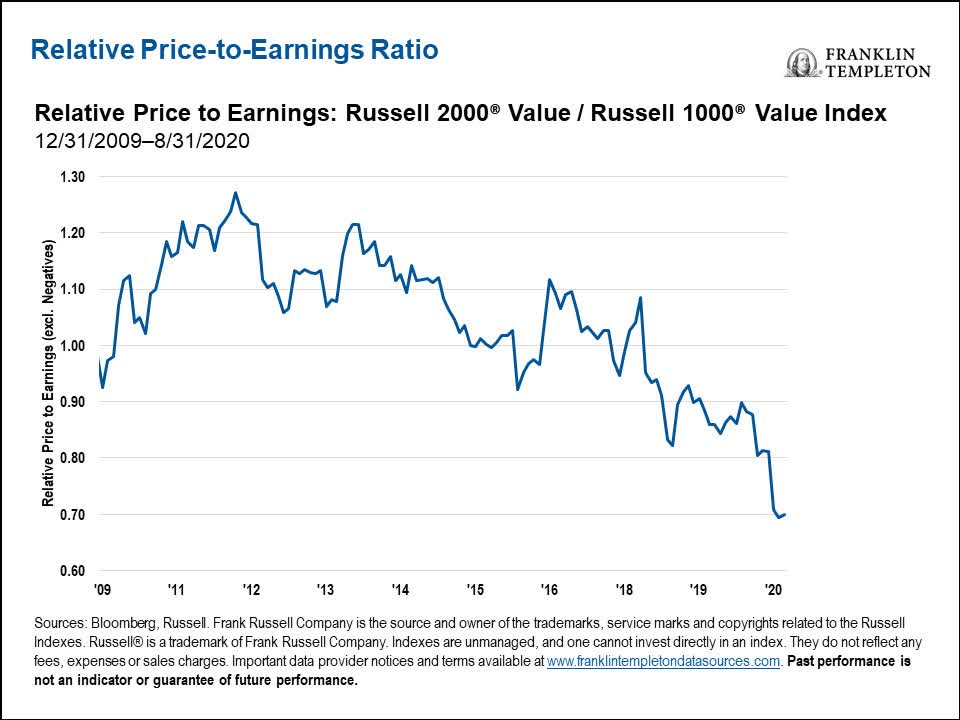
At the end of August 2020, small-cap value stocks in the Russell 2000 Value Index were trading near their lowest levels in 10 years, compared to the large-cap value stocks in the Russell 1000 Value Index, as measured by price-to-earnings (P/E) ratios.
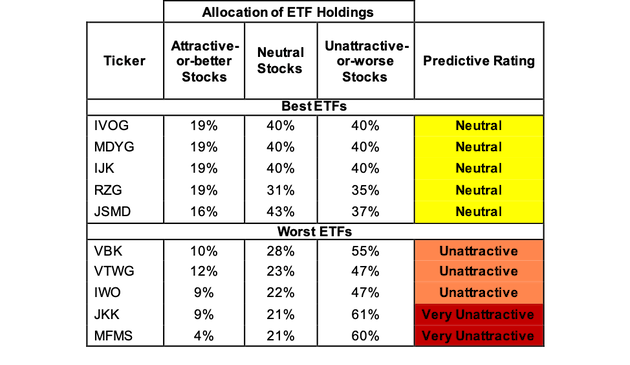
The Small Cap Growth style ranks last in Q3'20. Based on an aggregation of ratings of 19 ETFs and 544 mutual funds in the Small Cap Growth style.