
Loading…
Loading…



PIMCO RAFI Dynamic Multi-Factor Emerging Markets Equity ETF (NYSEARCA:MFEM - Get Free Report) was the recipient of a large growth in short interest in January. As of January 15th, there was short interest totaling 11,646 shares, a growth of 42.3% from the December 31st total of 8,182 shares. Based on an average trading volume of

I evaluate the PIMCO RAFI Dynamic Multi-Factor Emerging Markets Equity ETF, comparing it to my current Wasatch mutual funds and the Vanguard FTSE Emerging Markets ETF. The PIMCO ETF uses a factor-based index focusing on value, low volatility, quality, momentum, and size, skewing its portfolio toward value stocks. The MFEM ETF's quarterly distributions range from $0.10 to $0.25, with a recent yield of 3.8%.

Emerging markets continued to expand at a solid pace midway into the first quarter of 2024, supported by broad-based expansion across both manufacturing and service sectors.

Past experience shows us that emerging markets have historically reacted positively to higher global rates, especially if the latter reflects an improving global growth outlook. Most emerging markets will start normalizing rates well before the U.S. and developed markets.

Emerging market stocks continued their year-end rally to start 2021 buoyed by a wider rollout of COVID-19 vaccines as well as Joe Biden's victory in the U.S. presidential election.
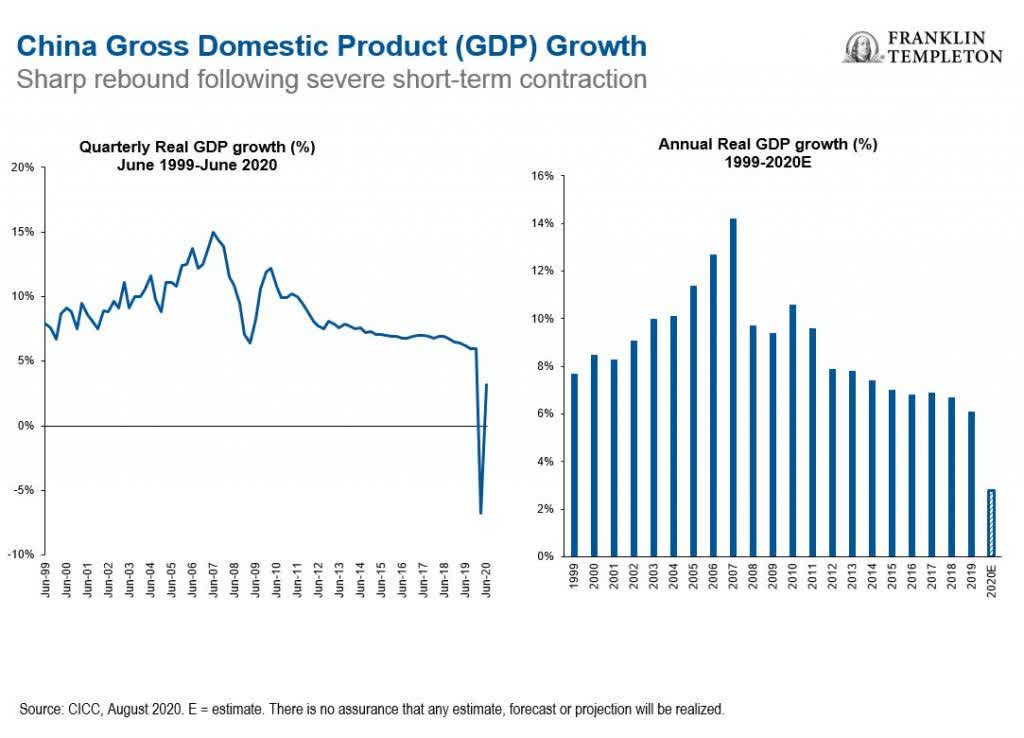
Asian markets rose in August to seal the best regional performance in EMs. Stocks in China, India and Indonesia posted notable gains.

Allocating to smaller companies can help broaden an EM allocation by providing a different mix of exposures to opportunities across countries and sectors.
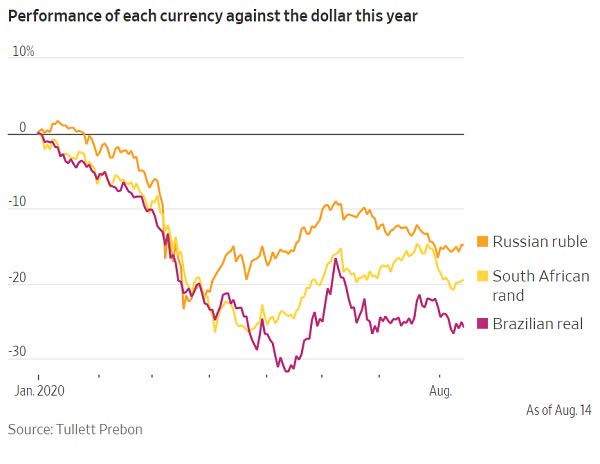
Back in the simpler days of 2019, there was this (now completely forgotten) impending crisis in which emerging market countries' dollar-denominated debt was going to blow up their - and by extension the rest of the world's - economies.