
Loading…
Loading…


We think the Fed has time to assess the impact of tariffs, and we expect it to wait to cut rates until the data show that tariffs are impacting the real economy. So far, there are no signs of recession in the hard data. The tariff pause offers the possibility to avoid worst-case economic scenarios before the damage is crystalized. We believe technical factors will continue to drive market dislocations in spreads and sectors, and that active managers can navigate this more effectively.

M&A was almost dormant in 2023. In the US, as a proportion of the market value of the benchmark equity indices, it fell to its lowest level in 20 years, according to McKinsey. Credit investors are not traditionally supposed to be fans of M&A, and it's true we are wary of leveraging M&A, where debt is loaded onto balance sheets to buy competitors. We are seeing a comeback for M&A that we think is likely to continue through 2024.
The week also saw a range of share splits, closures and launches.
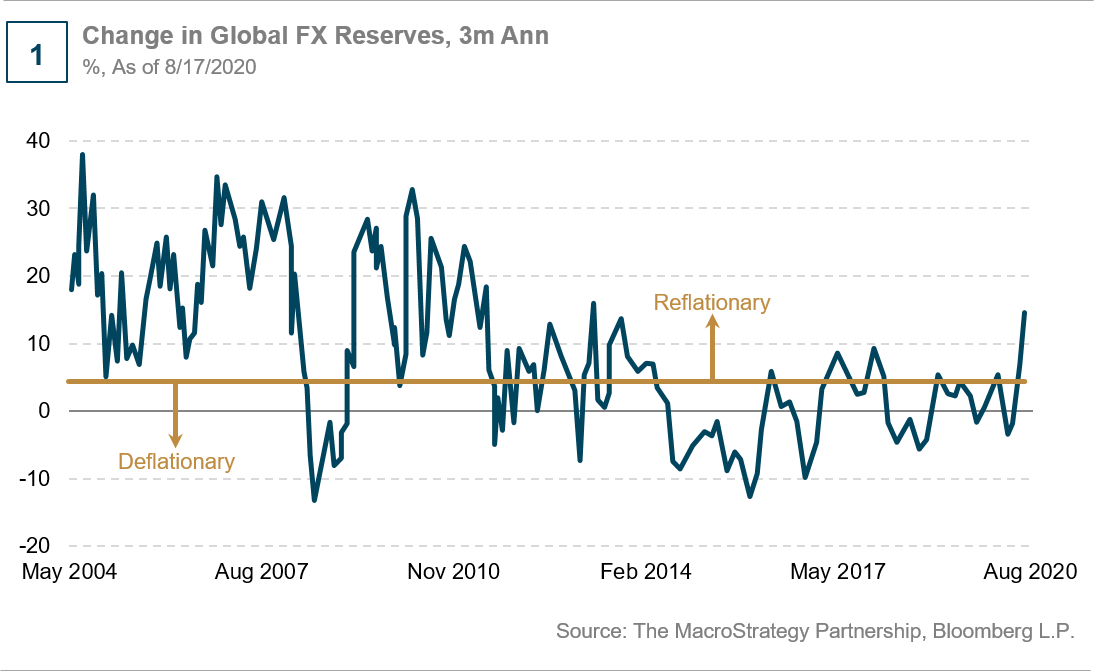
The sudden stop to markets induced by COVID-19 caused a substantial repricing of credit risk globally, and central banks, treasuries, and ministries of finance around the world responded unequivocally.
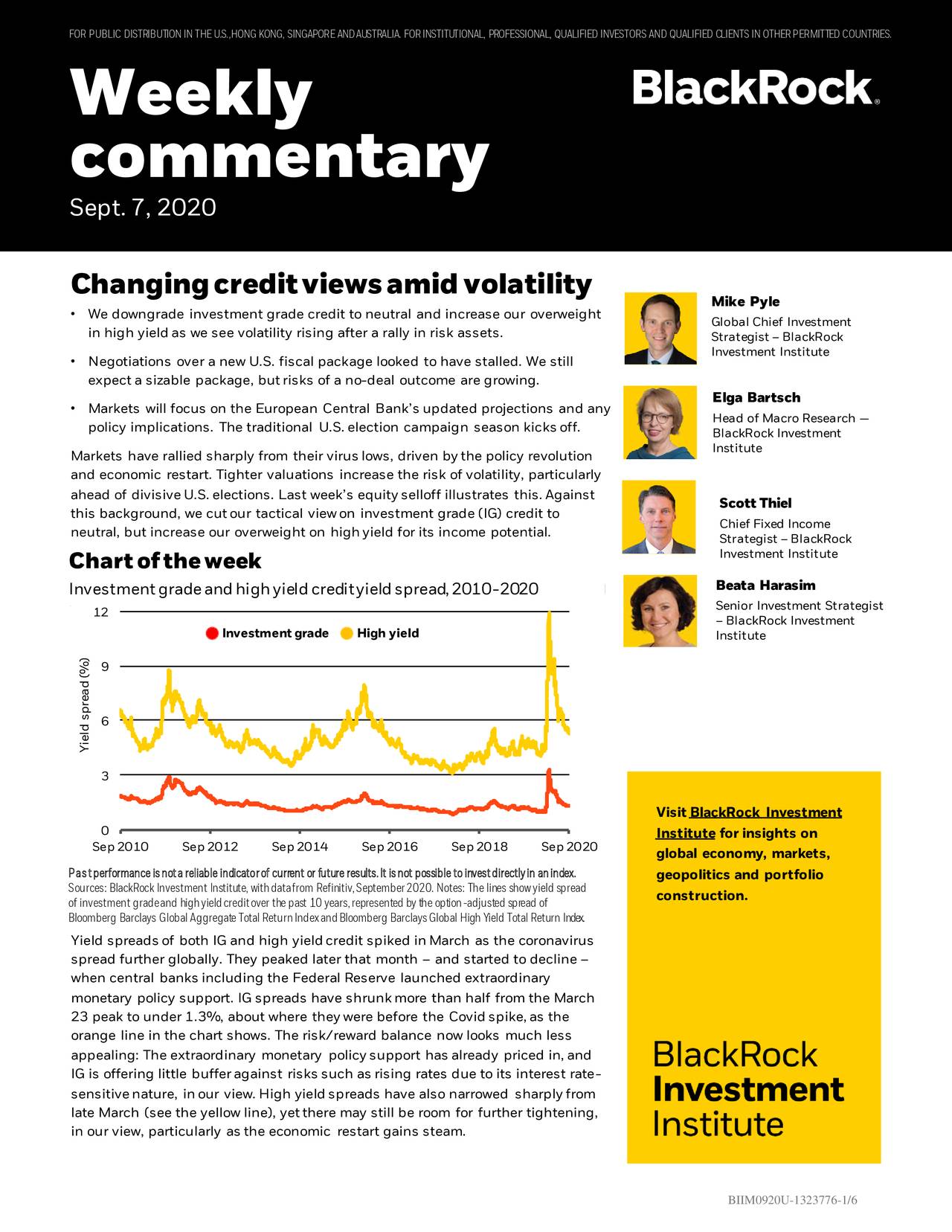
We downgrade investment grade credit to neutral and increase our overweight in high yield as we see volatility rising after a rally in risk assets.
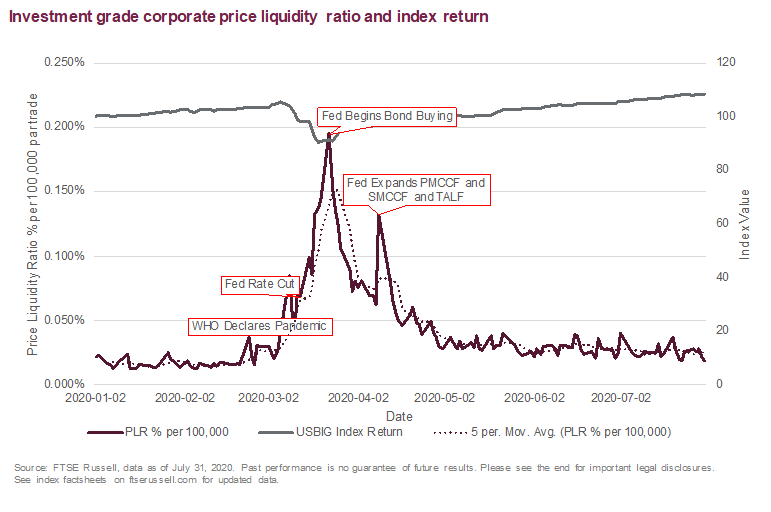
As the mid-March 2020 market volatility affected USD corporate bond prices, it also compromised their liquidity.
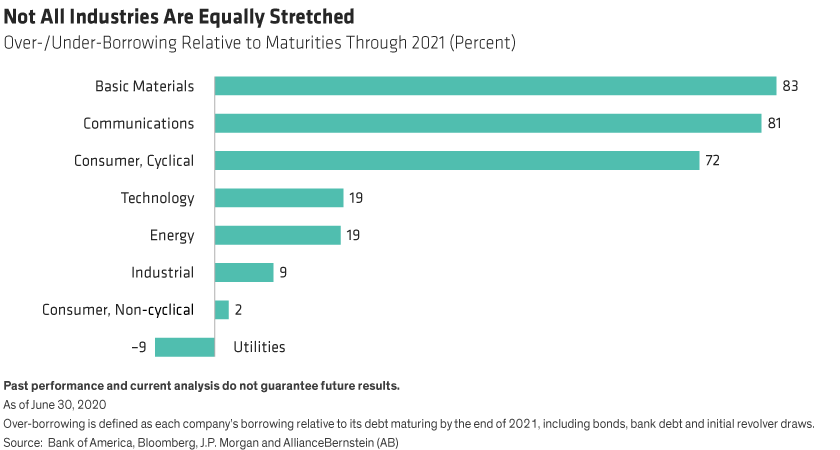
US investment-grade corporate issuance has topped US$1 trillion year to date, putting it on track to plow through previous annual records.

The ripple effects of COVID-19 are impacting a wide variety of markets, and investors have lots of questions.