
Loading…
Loading…


This iShares ETF, named the BBB Rated Corporate Bond ETF, aims to mirror the financial performance of a particular index. This benchmark is comprised of corporate debt securities that carry a BBB (or comparable) credit rating, pay a constant interest rate, and are issued in U.S. dollars. These fixed-income instruments originate from companies located both within the United States and globally.
Is LQDB's expense ratio expensive, average, or a steal for its category?
Pro reveals the verdict on a 5-tier spectrum calibrated against ICI 2025 industry averages, with strategy-aware bands so the comparison is meaningful.
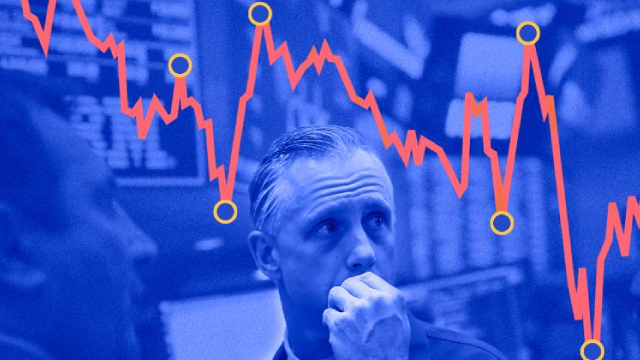
We think the Fed has time to assess the impact of tariffs, and we expect it to wait to cut rates until the data show that tariffs are impacting the real economy. So far, there are no signs of recession in the hard data. The tariff pause offers the possibility to avoid worst-case economic scenarios before the damage is crystalized. We believe technical factors will continue to drive market dislocations in spreads and sectors, and that active managers can navigate this more effectively.

M&A was almost dormant in 2023. In the US, as a proportion of the market value of the benchmark equity indices, it fell to its lowest level in 20 years, according to McKinsey. Credit investors are not traditionally supposed to be fans of M&A, and it's true we are wary of leveraging M&A, where debt is loaded onto balance sheets to buy competitors. We are seeing a comeback for M&A that we think is likely to continue through 2024.

Traders are betting big against some of the zones like retailers, regional banks, corporate bonds, homebuilders and biotech through ETFs.

Retailers, corporate bonds and homebuilders are some areas investors are using ETFs to bet against.
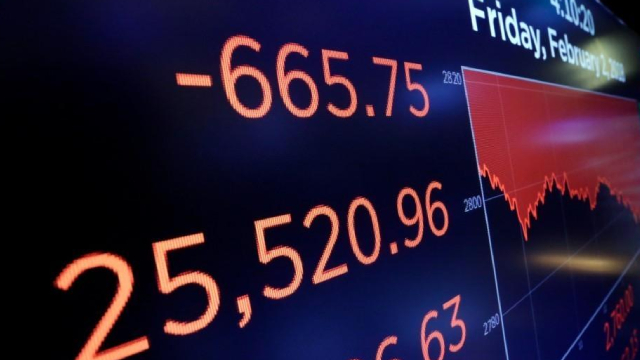
The fund allows investors to specifically target the largest segment of the corporate bond universe.