
Loading…
Loading…

KMED (KraneShares Emerging Markets Healthcare Index ETF) is no longer actively trading.
This usually means the fund has been liquidated, merged into another product, or its ticker has been retired. Every price, valuation, dividend, and analyst figure on this page is frozen at the last available trading session and reads as historical reference — not a current-day signal.


The first week of October saw a flood of new ETFs, with 28 funds debuting on U.S. exchanges. Part of that was due to the first Ethereum futures ETFs being approved to launch on Monday.
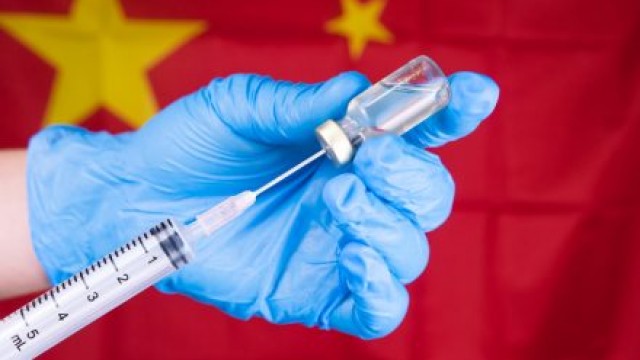
The Chinese government has promised 2 billion vaccines to help developing nations in the face of the highly contagious Covid-19 variant delta, as reported by the Wall Street Journal. President XI Jinping pledged the vaccines Thursday, while also calling for greater international cooperation in vaccine export and distribution.

Emerging markets (EM) took their lumps from the Covid-19 pandemic, but as these economies re-emerge, look to strength in the healthcare sector with the KraneShares Emerging Markets Healthcare Index ETF (KMED). An increase in healthcare spending could boost the sector as the overall global population starts to age.

On Tuesday, the World Health Organization approved a Covid-19 vaccine produced by Sinovac Biotech for emergency use, the second vaccine created in China to be approved according to Reuters. That could be good news for the KraneShares Emerging Market Healthcare Index ETF (NYSE: KMED), which holds several Chinese pharmaceutical stocks.

One of the asset classes generating plenty of buzz as a 2021 idea is emerging markets. Up 4.5% over the past month, the MSCI Emerging Markets Index is already pricing in that enthusiasm.