
Loading…
Loading…



Global electric-vehicle sales hit 2 million in June, gaining for the fourth straight consecutive month, per industry data.

China has unveiled a new carbon-peaking action plan that targets new energy vehicles (NEVs) accounting for 30% of the country's total vehicle fleet by 2030, marking a significant step in the electrification of the world's largest automobile market. The State Council on Thursday released the "15th Five-Year Plan" Carbon Peaking Action Plan, outlining the country's roadmap to peak carbon emissions before 2030.

Executives point to a faster than normal shift in demand from larger vehicles to more efficient vehicles. Rising gas prices and uncertainty surrounding the Middle East conflict are adding to industry pressures.

Rising fuel prices driven by the Iran war are boosting demand for new and used electric vehicles across Europe, industry data shared with Reuters shows, though some executives warn interest could fade if petrol costs fall.

Chinese automakers are speeding into right-hand-drive markets from Australia to Southeast Asia and challenging long-dominant Japanese car companies with premium electric vehicles aimed at affluent consumers.

China has deliberately and aggressively expanded its EV footprint throughout Europe, the U.K., Asia and Australia, exporting millions of vehicles, building factories and widening supply chains. Despite tariffs, stringent regulations and fierce opposition from lawmakers and the American auto industry, there's a growing possibility that Chinese electric vehicles will be sold in the U.S. in the next few years.

Sales of hybrid vehicles rose 33% in May versus last year, as buyers seek better fuel economy.
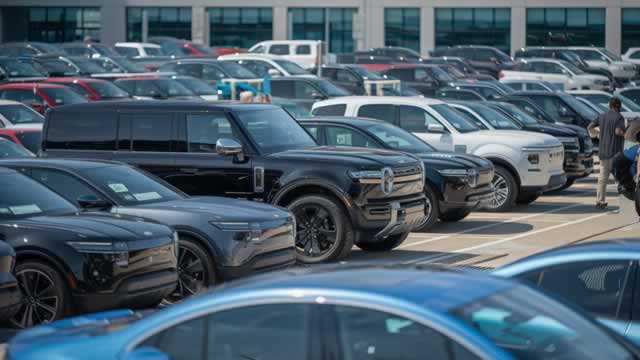
Major automakers backed the Environmental Protection Agency proposal to delay enforcement of a regulation requiring significant cuts in air pollution from vehicles for two years but want the agency to move quickly to rewrite the rules.