
Loading…
Loading…

JO (iPath Series B Bloomberg Coffee Subindex Total Return ETN) is no longer actively trading.
This usually means the fund has been liquidated, merged into another product, or its ticker has been retired. Every price, valuation, dividend, and analyst figure on this page is frozen at the last available trading session and reads as historical reference — not a current-day signal.

The ETN offers exposure to futures contracts and not direct exposure to the physical commodities. The index is composed of one or more futures contracts on the relevant commodity (the “index components”) and is intended to reflect the returns that are potentially available through (1) an unleveraged investment in those contracts plus (2) the rate of interest that could be earned on cash collateral invested in specified Treasury Bills.
Is JO's expense ratio expensive, average, or a steal for its category?
Pro reveals the verdict on a 5-tier spectrum calibrated against ICI 2025 industry averages, with strategy-aware bands so the comparison is meaningful.

EXCLUSIVE: Cocoa is on course to rise by 15% after hitting its highest level in over three months this week, though prices are unlikely to return to levels seen in 2025, analysts say.

The approaching El Nino and its possible impact on Robusta bean shortages, coupled with increasing global demand, could make it an opportune time to consider investing in the pureplay coffee ETF.

The iPath Bloomberg Coffee Subindex Total Return ETN is an exchange traded note. Unlike ETFs, JO is a bond with a set maturity date.
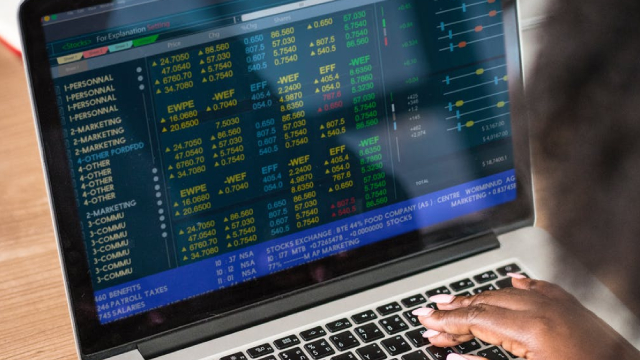
El Niño, a warm-water phenomenon that blows up off the Pacific coast of South America, often has a great impact on agricultural prices. El Nino causes weather disruptions in many regions around the world, including drought in some and flooding in others due to abnormal warming of the Pacific Ocean.

The increase in oil and sugar prices has affected not only households but also ETFs. Oil ETFs have surged in response to rising oil and gas prices.