
Loading…
Loading…

JIGB (JPMorgan Corporate Bond Research Enhanced ETF) is no longer actively trading.
This usually means the fund has been liquidated, merged into another product, or its ticker has been retired. Every price, valuation, dividend, and analyst figure on this page is frozen at the last available trading session and reads as historical reference — not a current-day signal.

The fund is actively managed and mainly invests in corporate bonds that are rated investment grade by a nationally recognized statistical rating organization or in securities that are unrated but are deemed by the fund's adviser to be of comparable quality. Under normal circumstances, the fund invests at least 80% of its assets in corporate bonds. In implementing its strategy and seeking to achieve its investment objective, the fund constructs a portfolio of holdings that seeks to outperform the Bloomberg U.S. Corporate Bond Index (the benchmark) over time while maintaining similar risk characteristics.
Is JIGB's expense ratio expensive, average, or a steal for its category?
Pro reveals the verdict on a 5-tier spectrum calibrated against ICI 2025 industry averages, with strategy-aware bands so the comparison is meaningful.

Key Takeaways JPMorgan Corporate Bond Research Enhanced ETF (JIGB) earns a CFRA five-star rating based on its performance record, exposure, and its moderate expense ratio. JIGB charges a modest 0.14% expense ratio, particularly for an actively managed ETF.

Ark Investment Management founder Cathie Wood deserves cryptocurrency demands 20% weight in your portfolio while bonds and equities should take other 20% and 60%, respectively.
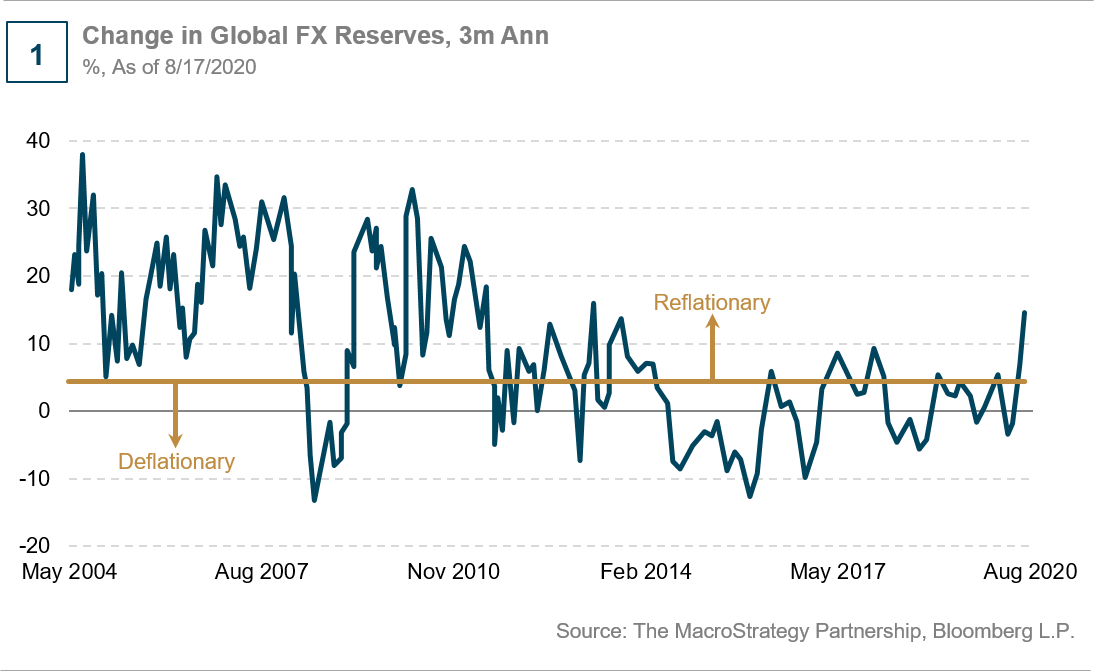
The sudden stop to markets induced by COVID-19 caused a substantial repricing of credit risk globally, and central banks, treasuries, and ministries of finance around the world responded unequivocally.
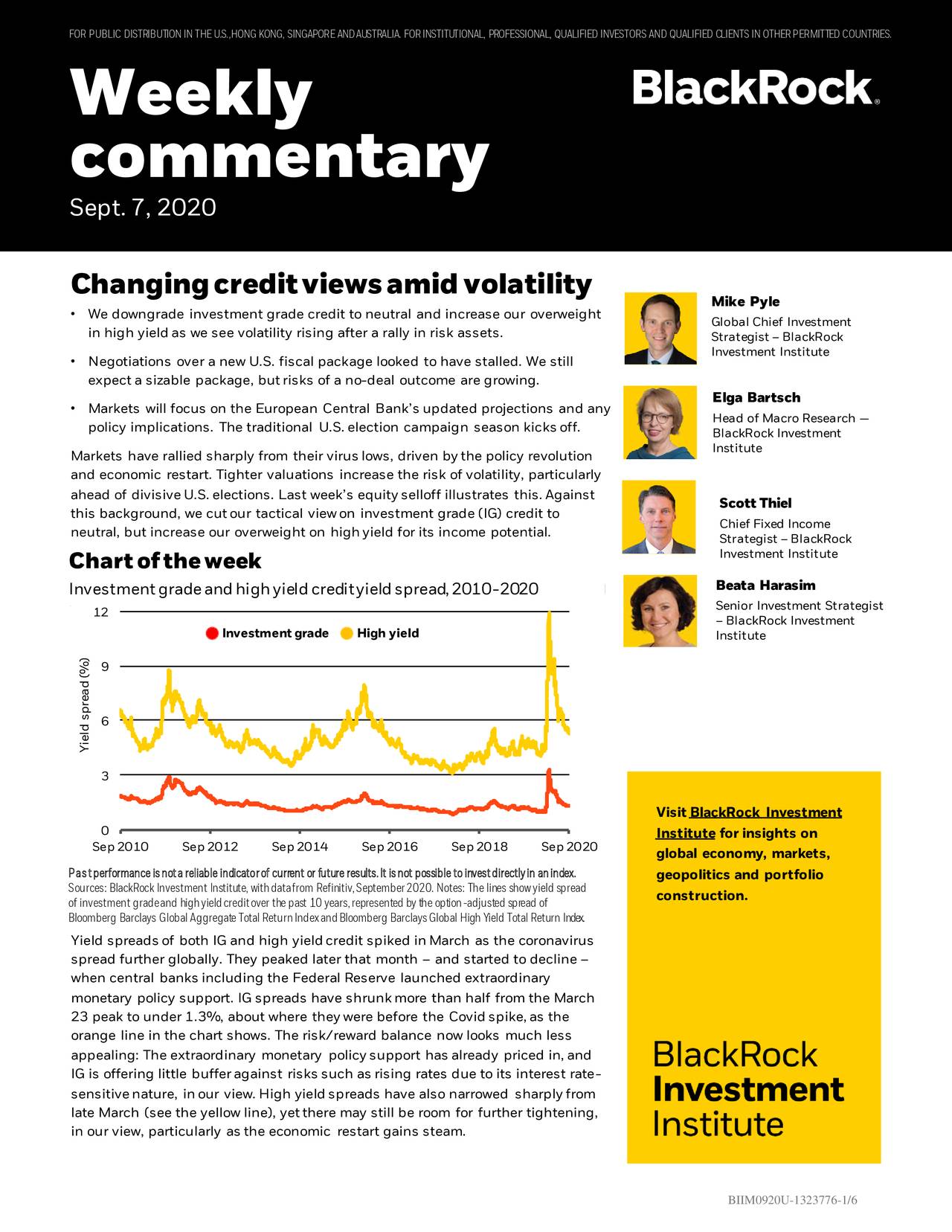
We downgrade investment grade credit to neutral and increase our overweight in high yield as we see volatility rising after a rally in risk assets.
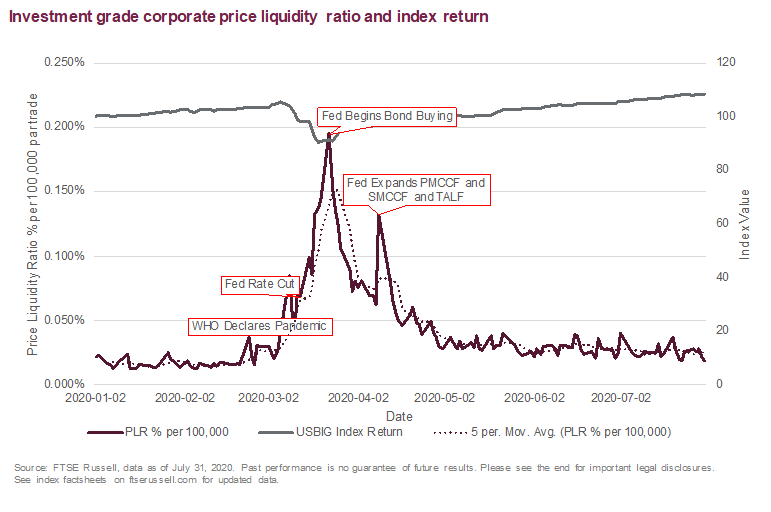
As the mid-March 2020 market volatility affected USD corporate bond prices, it also compromised their liquidity.