
Loading…
Loading…

JHMA (John Hancock Multifactor Materials ETF) is no longer actively trading.
This usually means the fund has been liquidated, merged into another product, or its ticker has been retired. Every price, valuation, dividend, and analyst figure on this page is frozen at the last available trading session and reads as historical reference — not a current-day signal.

The fund normally invests at least 80% of its net assets (plus any borrowings for investment purposes) in securities that compose the fund's index. The index is designed to comprise securities in the materials sector within the U.S. Universe whose market capitalizations are larger than that of the 1001st largest U.S. company at the time of reconstitution. The fund is non-diversified.
Is JHMA's expense ratio expensive, average, or a steal for its category?
Pro reveals the verdict on a 5-tier spectrum calibrated against ICI 2025 industry averages, with strategy-aware bands so the comparison is meaningful.

John Hancock Multifactor Materials ETF (JHMA) recently hit a 52-week high. Can this soar further?

Let's take a look at some material ETFs that have gained more than 11% in first-quarter 2021.

The basic materials sector is relatively small when you only consider dividend-paying companies. The basic materials sector is best for growth investors. APD has found an interesting way to position its business in a sector where most are stuck with commodity price fluctuations.

While 2020 may feel like a “this time it's different” year, the reality is the core underpinnings of what makes for a winning portfolio haven't changed: controlling expenses, managing your taxes, and most importantly, having the right exposures for the current market regime. But with wild swings in both sectors and factors, how do you [.
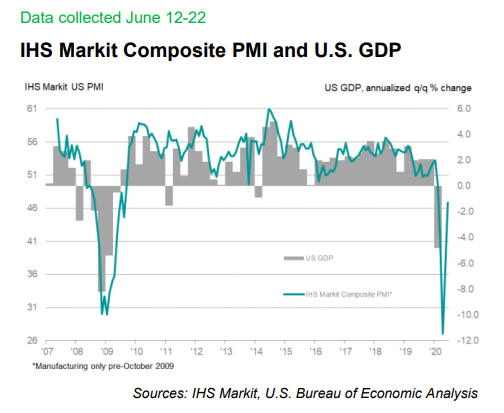
This is a weekly series focused on analyzing the previous week’s economic data releases. The objective is to concentrate on leading indicators of economic activ