
Loading…
Loading…


The iShares Latin America 40 ETF is designed to replicate the financial performance of a benchmark index, which itself is made up of 40 of the most prominent Latin American stocks.
Is ILF's expense ratio expensive, average, or a steal for its category?
Pro reveals the verdict on a 5-tier spectrum calibrated against ICI 2025 industry averages, with strategy-aware bands so the comparison is meaningful.
180 Wealth Advisors LLC lifted its stake in iShares Latin America 40 ETF (NYSEARCA:ILF) by 36.2% during the second quarter, according to its most recent disclosure with the Securities and Exchange Commission. The fund owned 111,019 shares of the company's stock after acquiring an additional 29,507 shares during the quarter. 180 Wealth
D.A. Davidson and CO. purchased a new stake in iShares Latin America 40 ETF (NYSEARCA:ILF) during the undefined quarter, according to the company in its most recent Form 13F filing with the Securities and Exchange Commission. The firm purchased 71,814 shares of the company's stock, valued at approximately $2,551,000. D.A. Davidson and
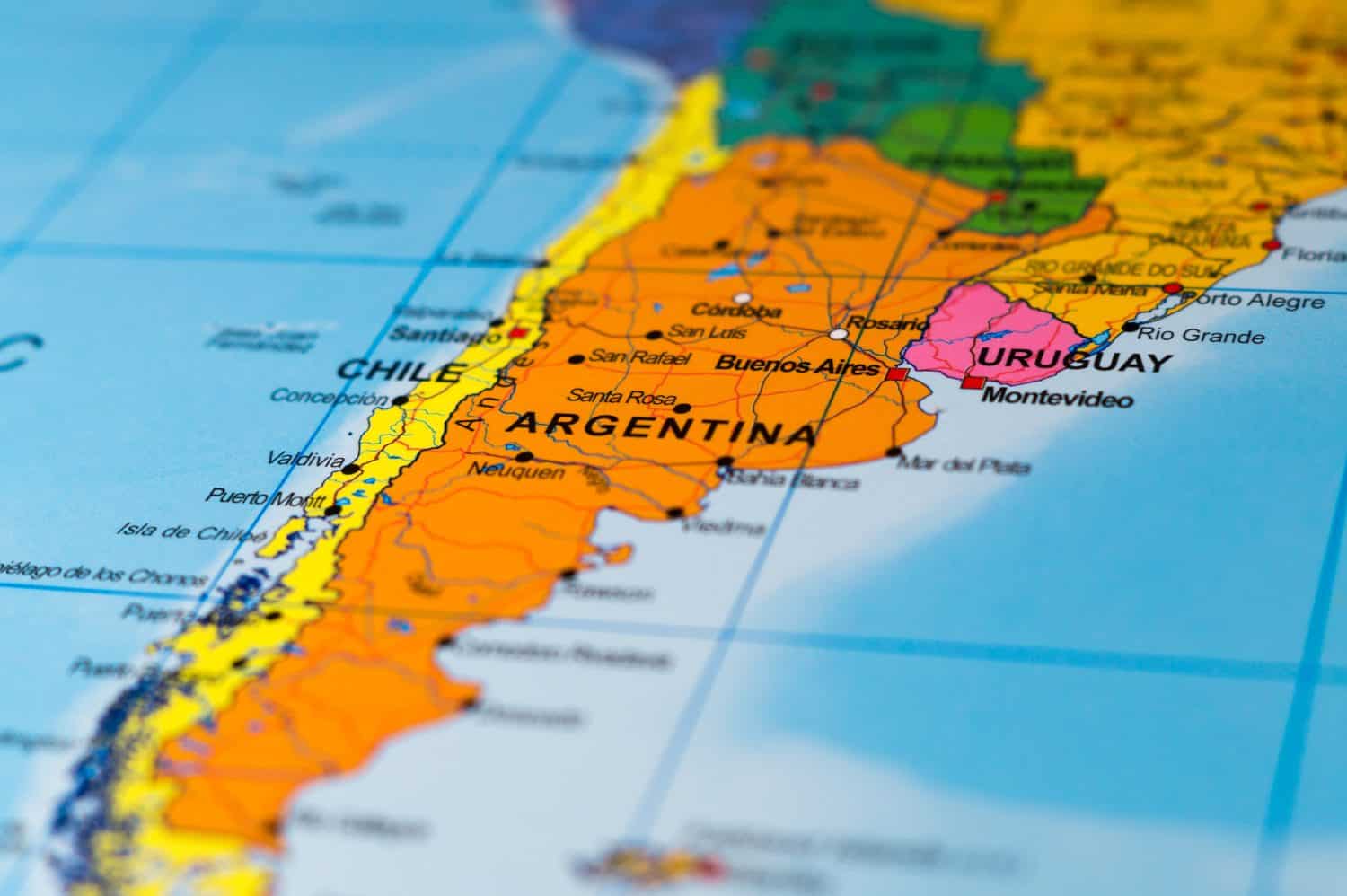
The iShares Latin America 40 ETF (NYSEARCA:ILF) is the default vehicle for U.S. investors who want regional exposure without having to set country weights themselves. ILF tracks the S&P Latin America 40 Index, holds 52 companies, and manages $4.14 billion at a 0.47% expense ratio. The fund has performed well recently, returning 32.44% over the... Skip Broad Latin America. This Single-Country Fund Is Where the Reform Rally Is
iShares Latin America 40 ETF is reiterated as a "Buy," supported by attractive valuation and technical support near the 200-day moving average. ILF trades at a low 9.8x P/E, offers a 2.90% yield, and is heavily weighted toward Financials and Energy, with no Tech exposure. Momentum has cooled, but cyclical sector dominance and July seasonality suggest a favorable near-term risk/reward profile.

Although not uniform across the region, a number of Latin American equity markets have outperformed the S&P 500 year to date (YTD). Emerging markets in Peru, Colombia, Brazil, and elsewhere have all beaten the S&P's 9% YTD returns, thanks to a combination of factors, including higher prices for certain commodities, growing AI-related demand for outputs such as copper, lithium, and nickel, and favorable company valuations.