
Loading…
Loading…

IBHB (iShares iBonds 2022 Term High Yield and Income ETF) is no longer actively trading.
This usually means the fund has been liquidated, merged into another product, or its ticker has been retired. Every price, valuation, dividend, and analyst figure on this page is frozen at the last available trading session and reads as historical reference — not a current-day signal.

The fund will invest at least 80% of its assets in the component securities of the underlying index, and it will invest at least 90% of its assets in fixed income securities of the types included in the underlying index. The index is composed of U.S. dollar-denominated, taxable, fixed-rate, high yield and BBB or equivalently rated corporate bonds.
Is IBHB's expense ratio expensive, average, or a steal for its category?
Pro reveals the verdict on a 5-tier spectrum calibrated against ICI 2025 industry averages, with strategy-aware bands so the comparison is meaningful.

Some interest-protected bonds have managed to fare better than the regular bond ETFs in the first half of 2022.

The Fed will keep on hiking rates this year and short-term bond yields will rise alongside. That would result in a similar rate for cash-like assets such as money-market funds.

Cash is emerging as a popular asset in Wall Street. As the Fed plans to raise interest rates faster this year, cash-like assets such as money-market funds should reflect that rate pattern.
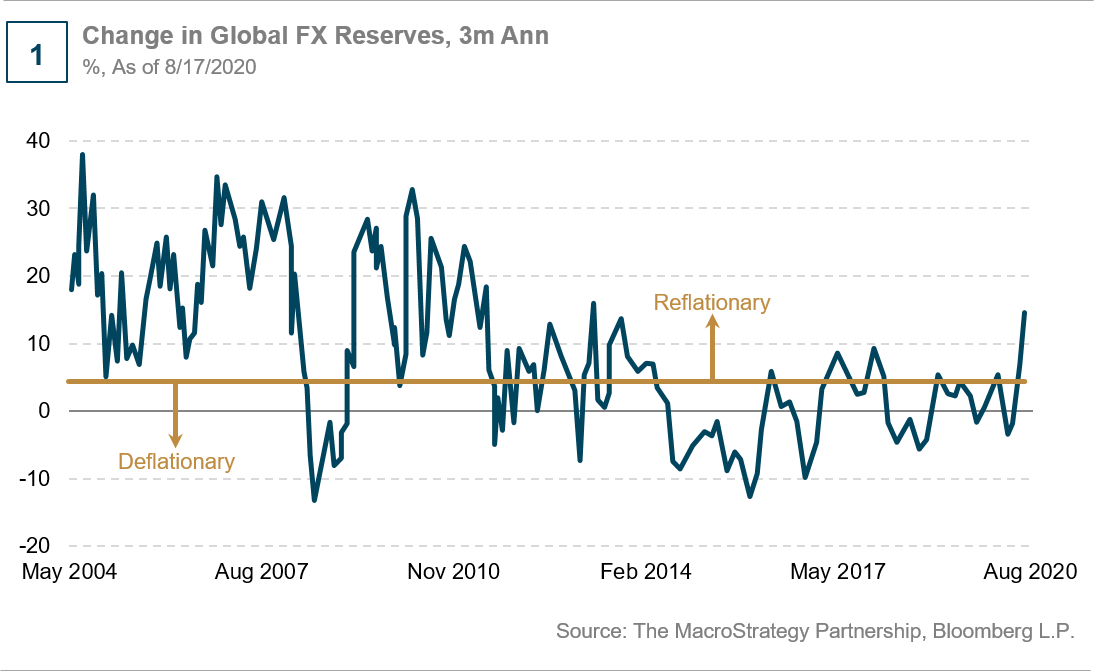
The sudden stop to markets induced by COVID-19 caused a substantial repricing of credit risk globally, and central banks, treasuries, and ministries of finance around the world responded unequivocally.
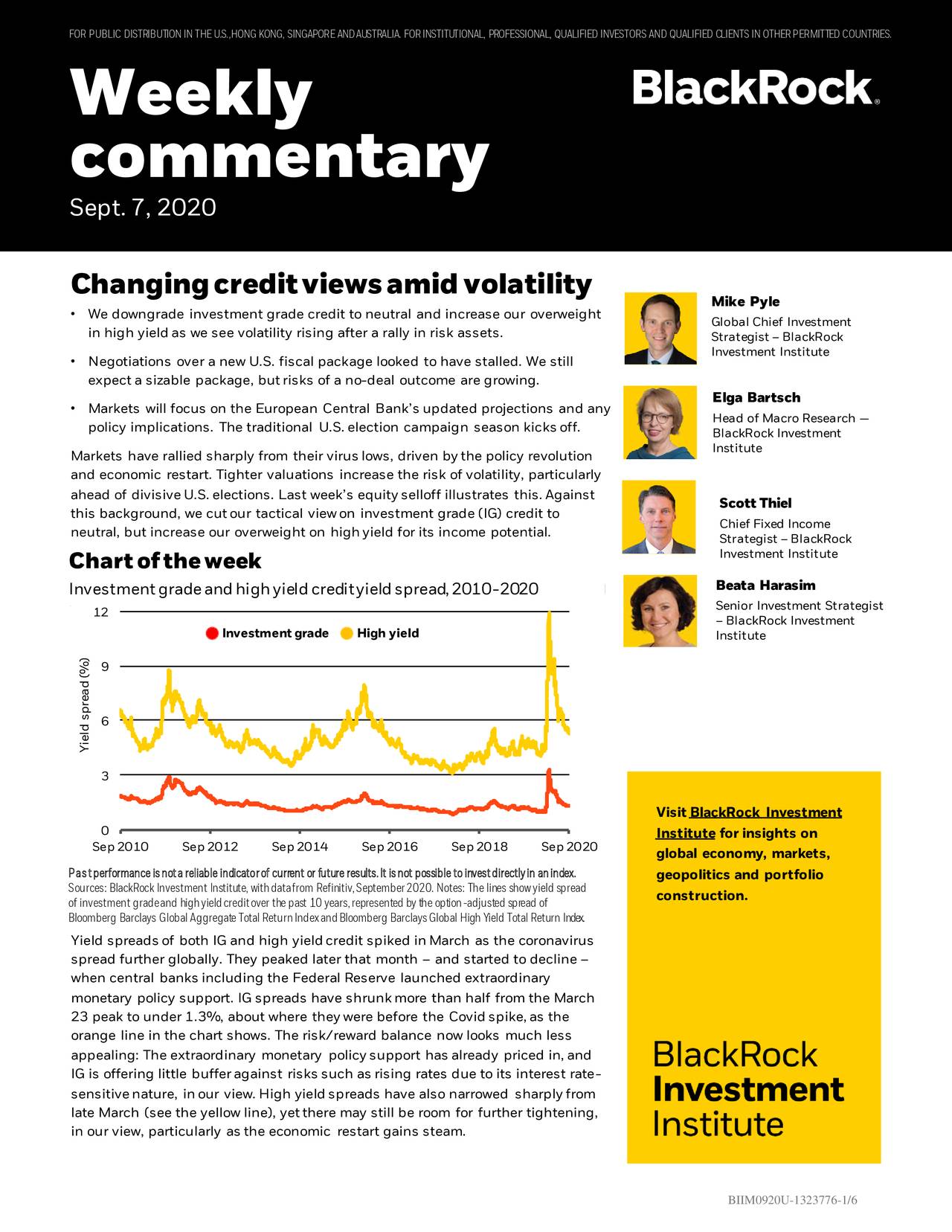
We downgrade investment grade credit to neutral and increase our overweight in high yield as we see volatility rising after a rally in risk assets.