
Loading…
Loading…


The iShares iBonds Dec 2026 Term Corporate ETF (IBDR) is designed to replicate the investment performance of an index. This benchmark is made up exclusively of high-quality corporate debt, issued in U.S. dollars, with all holdings reaching their maturity date in the year 2026. Furthermore, the fund's operational structure is safeguarded by U.S. Patent Numbers 8,438,100 and 8,655,770.
Is IBDR's expense ratio expensive, average, or a steal for its category?
Pro reveals the verdict on a 5-tier spectrum calibrated against ICI 2025 industry averages, with strategy-aware bands so the comparison is meaningful.

The iShares iBonds Dec 2026 Term Corporate ETF (NYSEARCA:IBDR) offers retirees a 4.12% yield with an unusual feature: it's designed to liquidate in December 2026, returning investors' principal at maturity.
Individual corporate bonds typically require $1,000 minimum purchases and leave retail investors stuck with whatever credit quality and maturity dates they can access through their broker. Invesco BulletShares 2026 Corporate Bond ETF (NYSEARCA:BSCQ) solves this by packaging investment-grade corporate bonds with a defined 2026 maturity into a single ETF trading around $19.60 per share, delivering... This 4% Bond ETF Matures in 2026, Then Returns Your Principal.

Investors have been embracing actively managed fixed income ETFs in 2024. So it is not surprising that the category is an area of focus for product development.
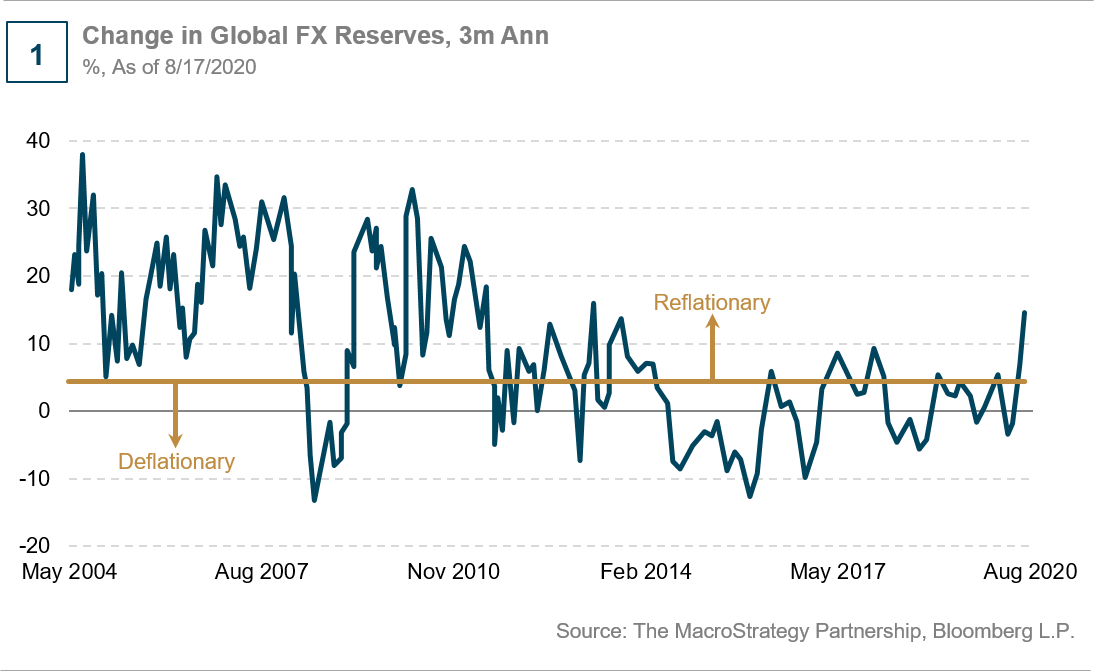
The sudden stop to markets induced by COVID-19 caused a substantial repricing of credit risk globally, and central banks, treasuries, and ministries of finance around the world responded unequivocally.
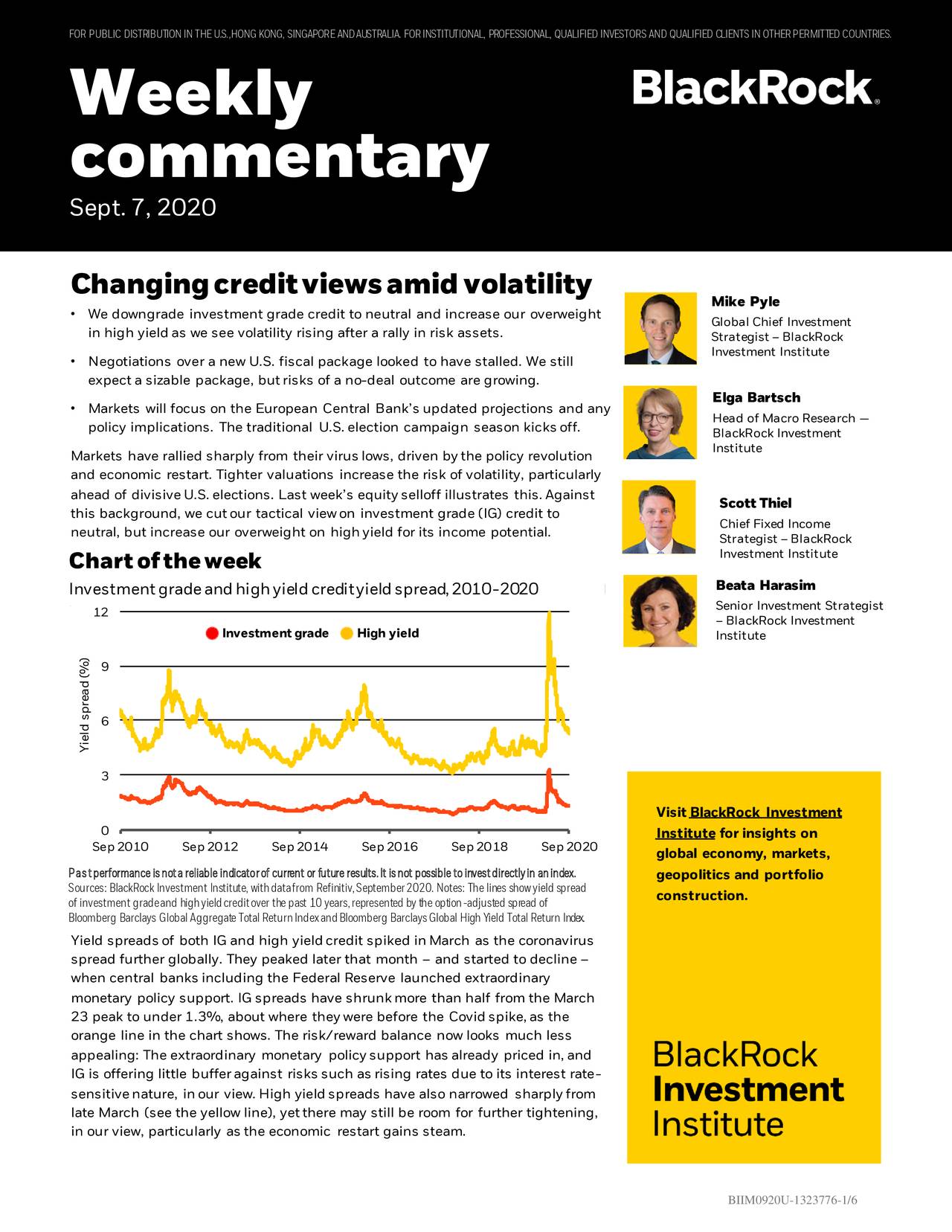
We downgrade investment grade credit to neutral and increase our overweight in high yield as we see volatility rising after a rally in risk assets.