
Loading…
Loading…

IBDO (iShares iBonds Dec 2023 Term Corporate ETF) is no longer actively trading.
This usually means the fund has been liquidated, merged into another product, or its ticker has been retired. Every price, valuation, dividend, and analyst figure on this page is frozen at the last available trading session and reads as historical reference, not a current-day signal.

The fund will invest at least 80% of its assets in the component securities of the underlying index, and it will invest at least 90% of its assets in fixed income securities of the types included in the underlying index. The underlying index is composed of U.S. dollar-denominated, taxable, investment-grade corporate bonds scheduled to mature between January 1, 2023 and December 15, 2023, inclusive.
Is IBDO's expense ratio expensive, average, or a steal for its category?
Pro reveals the verdict on a 5-tier spectrum calibrated against ICI 2025 industry averages, with strategy-aware bands so the comparison is meaningful.
The second full week of December saw a ramp-up in activity, with 20 launches and several closures. Newcomer ETF issuer Themes ETFs alone rolled out 8 new thematic ETFs.

NEW YORK--(BUSINESS WIRE)--BlackRock announced today the planned termination of three 2023 iShares iBonds ETFs, which possess the following timelines for trading, net-asset value (NAV) calculation and expected liquidation: Ticker Fund name Exchange Last day of trading Final NAV calculation date Liquidation date IBDO iShares iBonds Dec 2023 Term Corporate ETF NYSE Arca 12/15/2023 12/15/2023 12/22/2023 IBHC iShares iBonds 2023 Term High Yield and Income ETF CBOE 12/15/2023 12/15/2023 12/22/2023 I.

iBonds investment grade corporate term ETFs provide multiple advantages for investors. Most households lack appropriate corporate debt holdings. These ETFs are strategic and accessible to remedy position deficiencies.

Forget 2022's trainwreck; this year is friendly to fixed income, according to wealth experts.
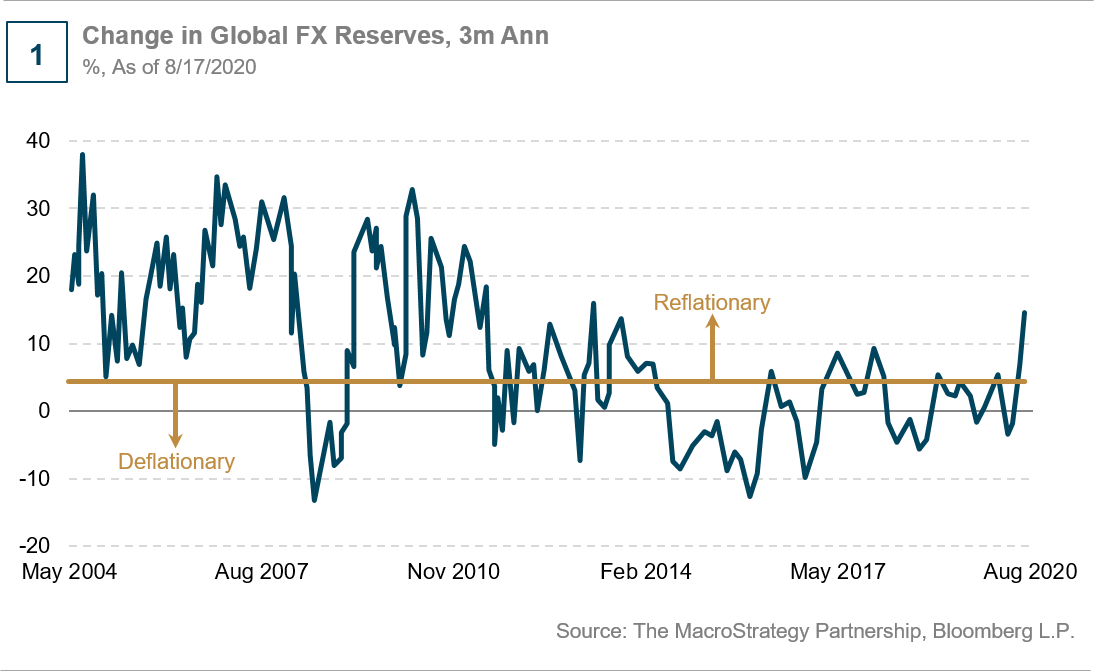
The sudden stop to markets induced by COVID-19 caused a substantial repricing of credit risk globally, and central banks, treasuries, and ministries of finance around the world responded unequivocally.