
Loading…
Loading…



Gold cracked a key psychological level for the second time this year as margin calls, soaring oil prices, and rising rate-hike odds turned the classic safe haven into a liability.

Gold has been a store of wealth for thousands of years, but what will the next thousand years look like as investors continue to embrace digital assets?

Gold prices suffered another sharp weekly decline as rising oil prices, persistent inflation fears, and expectations for further Federal Reserve tightening overwhelmed safe-haven demand, while Thursday's technology-led equity selloff triggered another wave of liquidations that pushed the precious metal back below $4,000 per ounce.
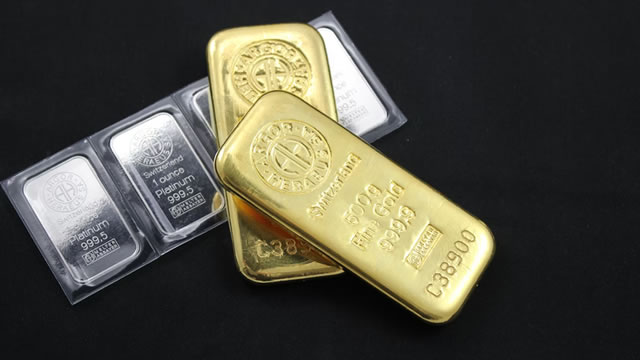
Spot gold and silver prices were lower in late U.S. trading Friday, extending a week of heavy selling as renewed concerns about military escalation involving Iran pushed crude oil prices to multiyear highs and reinforced expectations for restrictive Federal Reserve monetary policy.

The gold market can't catch a break as prices have fallen below a key pivot level ahead of the weekend, even as U.S. 10-year Treasury yields have dropped below 5%.

Precious metals remain under pressure amid rally in the oil markets.

The gold market is trading near key support after the latest data showed consumer sentiment in the U.S. holding steady, while inflation expectations rose higher.The University of Michigan announced on Friday that the final reading of its Consumer Sentiment survey for October was 48. The data was better than expectations, as the consensus forecast of economists called for a reading of 46.3, the same as the preliminary reading, and it was also just below September's final reading of 48.1.

The gold market continues to hold support around $4,000 an ounce, but it could face further headwinds as relatively stable activity in both the manufacturing and services sectors reduces safe-haven demand for the precious metal.
SEC filings for IAU aren't indexed yet (common for recently launched funds). Browse the issuer's filings on SEC EDGAR directly.