
Loading…
Loading…


The Xtrackers High Beta High Yield Bond ETF aims to deliver investment returns that broadly match the performance of the Solactive USD High Yield Corporates Total Market High Beta Index, prior to accounting for any fees or expenses.
Is HYUP's expense ratio expensive, average, or a steal for its category?
Pro reveals the verdict on a 5-tier spectrum calibrated against ICI 2025 industry averages, with strategy-aware bands so the comparison is meaningful.
International high dividend exchange traded fund strategies can potentially help investors diversify and generate steady yields. In the recent webcast, Rates Rising?

As headwinds at home grow stiffer, investors are starting to turn to overseas markets to source income. On average, international high-dividend stocks have posted higher yields than U.S.-based ones every year since 1999.

A reader and subscriber asked for my thoughts on HYUP. HYUP is a high-yield corporate bond fund, with relatively risky holdings, and a 5.0% forward dividend yield.

A high yield, high beta exchange-traded fund (ETF) strategy might seem expensive at first glance, but at a 0.20% expense ratio, investors can get access to this fixed income alternative via the High Beta High Yield Bond ETF (HYUP). HYUP seeks investment results that correspond generally to the performance, before fees and expenses, of the [.
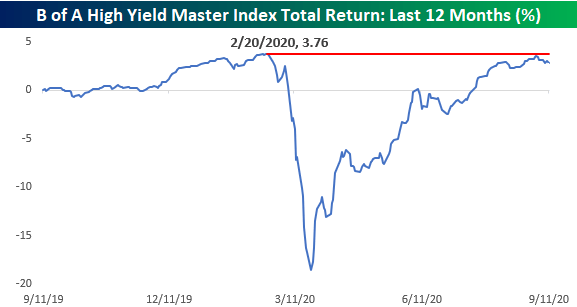
Performance in the high yield market hasn't been quite as strong as the S&P 500. While total return levels in the high yield market are important to track, spreads in high yield debt relative to treasuries provide a more useful barometer.