
Loading…
Loading…



Three S&P 500 covered-call ETFs promise income from the same underlying index, but their wildly different strategies produce returns that would shock anyone who chose a fund based on yield alone.
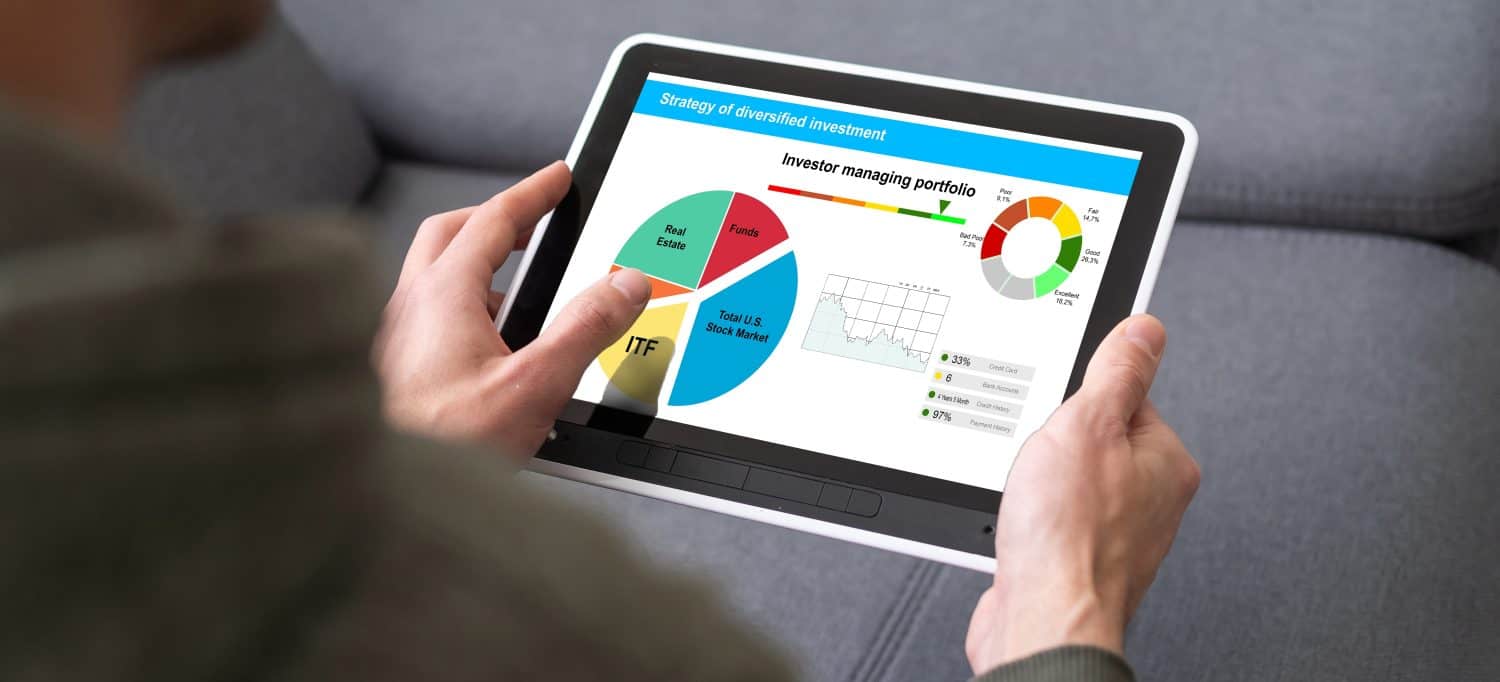
Generating $252,000 a year from dividends sounds like a math problem with one clean answer, but the eleven-fund lineup most investors build hides yield traps, tax landmines, and overlapping exposures that quietly erode the income they thought they locked in.
The headlines may sensationalize, but it's hard to miss: Markets are under some pressure right now. While that has yet to impact all clients, it risks spreading to equities and stocks more broadly even in a strong earnings year.

Covered-call ETFs are built to trade upside for income, so when one seems to deliver both at once, the obvious question is what the fund is hiding and whether the trade-off has simply been postponed.
The vehicle you choose to replace a $14,000 monthly paycheck can swing your required capital by millions, and picking the wrong yield lane locks in a trade-off most investors never see coming.

Inspired by the horse race in the 2026 Palio di Siena, I made a financial move that I hope will be just as clever as the knight's move in chess. I decided to close out two positions in my Cupolone portfolio that I wasn't entirely convinced about, raising cash to reinvest when the opportunity arises. The purpose of this move is to use this liquidity in securities with better overall NAV performance and a greater likelihood of long-term success.

August 2026 was a blockbuster month for ETF acquisitions. As Todd Rosenbluth, head of research at VettaFi, recently highlighted, the ETF industry is firing on all cylinders, attracting massive inflows and racing toward a potential new record.
Most retirees chasing monthly income from covered-call ETFs gravitate toward the same two or three names, but a Goldman Sachs fund quietly running an 8.6% yield tells a more complicated story about how much capital you actually need and what you give up to get it.
SEC filings for GPIX aren't indexed yet — common for recently launched funds. Browse the issuer's filings on SEC EDGAR directly.