
Loading…
Loading…

The SPDR Gold Trust aims to mirror the market price movements of physical gold bullion, after deducting its operational expenses. This pioneering fund was the first gold exchange-traded fund (ETF) to be introduced in the U.S., and also the initial U.S.-listed ETF to be backed by a tangible asset. For a significant number of investors, the combined expenses of purchasing GLD shares on the secondary market and covering the Trust's continuous fees could be lower than the expenditures associated with directly acquiring, safeguarding, and insuring physical gold within a conventional allocated bullion account.
Is GLD's expense ratio expensive, average, or a steal for its category?
Pro reveals the verdict on a 5-tier spectrum calibrated against ICI 2025 industry averages, with strategy-aware bands so the comparison is meaningful.
Gold was steady in the early Asian trade, as investors await U.S. PPI and CPI data.

The Treasury tripled its bond buybacks and yields rose anyway. The man who wrote End the Fed says he still wouldn't trust the accounting at Fort Knox
Spot gold and silver prices are higher in late-afternoon U.S. trading Wednesday, as a weaker U.S. dollar and safe-haven demand tied to the U.S.-Iran conflict outweighed higher Treasury yields and another surge in crude oil.
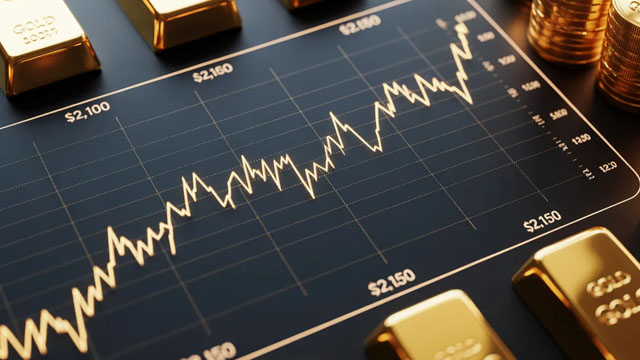
Despite renewed threats of an imminent rate hike in September, gold's price action during August shows just how much potential the precious metal has as a hedge against the unsustainable rise in global sovereign debt.

Gold has had a remarkable run, with the metal's price roughly doubling since March 2024. But the more compelling story isn't the price of bullion — it's what's happening to the companies that dig it out of the ground.