
Loading…
Loading…


The Grayscale Bitcoin Trust ETF offers dedicated, passive investment exposure solely to Bitcoin. Its primary goal is to replicate the market price of the Bitcoin assets held by the Trust, net of all associated costs and financial obligations. Bitcoin itself is a digital asset, brought into existence and circulated via the peer-to-peer Bitcoin Network. This network operates as a decentralized collection of computers, secured by cryptographic protocols, allowing users to exchange Bitcoins—digital tokens of value—which are permanently recorded on a transparent public transaction ledger known as a Blockchain.
Is GBTC's expense ratio expensive, average, or a steal for its category?
Pro reveals the verdict on a 5-tier spectrum calibrated against ICI 2025 industry averages, with strategy-aware bands so the comparison is meaningful.
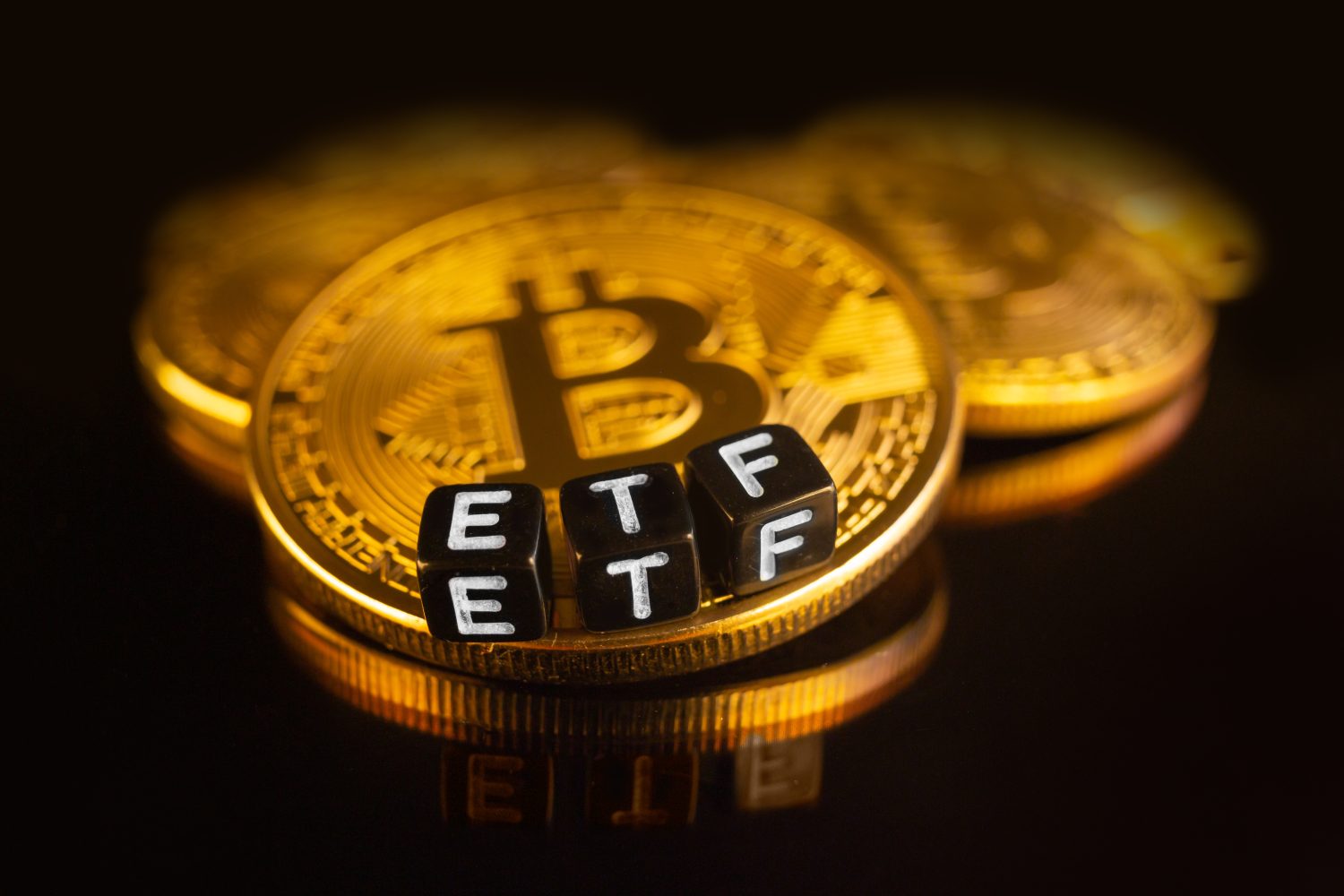
Two Bitcoin ETFs hold the exact same asset through nearly identical structures, yet one quietly drains your account at six times the rate of the other. Before you assume switching is the obvious move, your tax situation may tell a different story.

Inflation and jurisdictional risks are serving as powerful examples of the value of alternative assets like gold and Bitcoin, and the ability to borrow against these non-yielding assets could make them even more attractive in the coming years, according to Adam Reeds, CEO of digital-asset-backed lending platform Ledn – which is launching Tether Gold-backed loans in the coming weeks.

In an intriguing new move, BlackRock (NYSE:BLK | BLK Price Prediction) is looking to offer Bitcoin investors a kind of financial protection similar to a seatbelt.

BlackRock's iShares Bitcoin Trust ETF (NASDAQ: IBIT) saw a significant inflow of $665.2 million on October 19, 2026, its largest single-day addition since October 7, 2025. Just one trading session earlier, on October 16, the same fund saw an outflow of $71.

Inflation and jurisdictional risks are serving as powerful examples of the value of alternative assets like gold and Bitcoin, and the ability to borrow against these non-yielding assets could make them even more attractive in the coming years, according to Adam Leeds, CEO of digital-asset-backed lending platform Ledn – which is launching Tether Gold-backed loans in the coming weeks.