
Loading…
Loading…


The First Trust IPOX Europe Equity Opportunities ETF (the "Fund") has the objective of largely reflecting the overall returns, encompassing both price movements and dividend payouts, of the IPOX 100 Europe Index (the "Index"), prior to the deduction of its expenses. Normally, at least 90% of the Fund's net assets, including any leveraged investments, are committed into the equity securities and/or depositary receipts comprising the Index. Through an indexing strategy, the Fund strives to copy the Index's performance before accounting for fees and expenses. Its investment advisor targets a…
Is FPXE's expense ratio expensive, average, or a steal for its category?
Pro reveals the verdict on a 5-tier spectrum calibrated against ICI 2025 industry averages, with strategy-aware bands so the comparison is meaningful.
AI-related equity jitters are unlikely to be resolved overnight and eurozone government bonds could actually come out as a winner. Relative to euro rates, US equity volatility is reaching highs similar to previous crisis periods. A global rebalancing of portfolios could see significant demand for euro rates, mitigating the upward rate pressure.

Europe's macro outlook is shifting. After years of fiscal restraint and fragmented policy, the region is entering a new chapter - one centered on pro-growth fiscal policy, energy security, and capital-market reform.
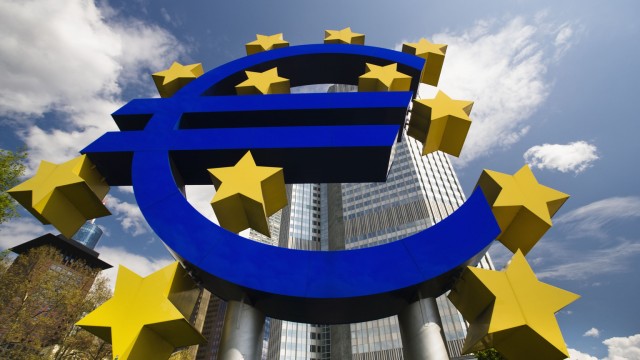
The European Central Bank cut interest rates by 25bps, bringing the deposit rate down to 3.75%. Inflation is expected to come in at 2.5% in 2024, 2.2% in 2025 and 1.9% in 2026.

Declining inflation and slower growth have contributed to the rising potential for rate cuts in Europe. Eurozone core inflation has been coming down more quickly than similar measures in the U.S. and the U.K. If the euro were to weaken and drop through parity, that might give the ECB pause about cutting rates.

Eurozone GDP grew by 0.3% in the first quarter, and that's the strongest growth since the third quarter of 2022 when the energy crisis started.