
Loading…
Loading…

FLRU (Franklin FTSE Russia ETF) is no longer actively trading.
This usually means the fund has been liquidated, merged into another product, or its ticker has been retired. Every price, valuation, dividend, and analyst figure on this page is frozen at the last available trading session and reads as historical reference — not a current-day signal.

Under normal market conditions, the fund invests at least 80% of its assets in the component securities of the FTSE Russia Capped Index and in depositary receipts representing such securities. The FTSE Russia Capped Index is based on the FTSE Russia Index and is designed to measure the performance of Russian large- and mid-capitalization stocks. The fund is non-diversified.
Is FLRU's expense ratio expensive, average, or a steal for its category?
Pro reveals the verdict on a 5-tier spectrum calibrated against ICI 2025 industry averages, with strategy-aware bands so the comparison is meaningful.

Plus, iShares further expanded its family of iBonds ETFs.

On this week's episode of ETF Prime, host Nate Geraci is joined by ETF Trends' Dave Nadig, who talks about Russia ETFs and Emerging Market ETFs that have exposure to Russian securities in the face of MSCI delisting Russia from the Emerging Market Index. Later Geraci is joined by Gabriel Hammond, co-founder and CEO of Emles, [.

NYSE Arca has on Friday suspended trading indefinitely in three Russia-related exchange-traded funds, citing “regulatory concern.”
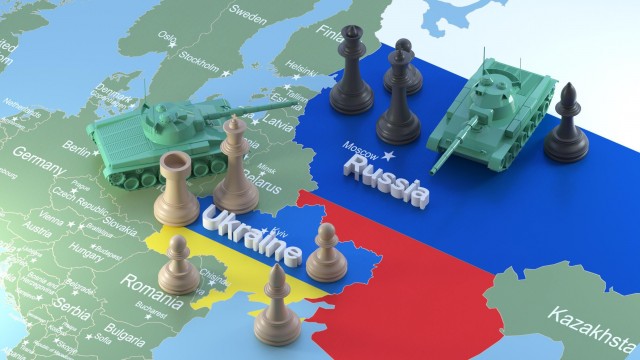
Exchange-traded funds that track Russian stocks have lost over half of their value this week, and some have been halted from trading entirely.

Russia country-specific exchange traded funds are plunging as the industry is beginning to cut exposure to the Russian markets. On Thursday, the Franklin FTSE Russia ETF (FLRU) declined 23.8%, the VanEck Vectors Russia ETF (NYSEArca: RSX) decreased 12.9%, and the iShares MSCI Russia Capped ETF (NYSEArca: ERUS) dropped 29.5%.