
Loading…
Loading…


This exchange-traded fund aims to closely track the financial performance of the LibertyQ U.S. Small Cap Equity Index, prior to accounting for any management fees or operational expenses.
Is FLQS's expense ratio expensive, average, or a steal for its category?
Pro reveals the verdict on a 5-tier spectrum calibrated against ICI 2025 industry averages, with strategy-aware bands so the comparison is meaningful.
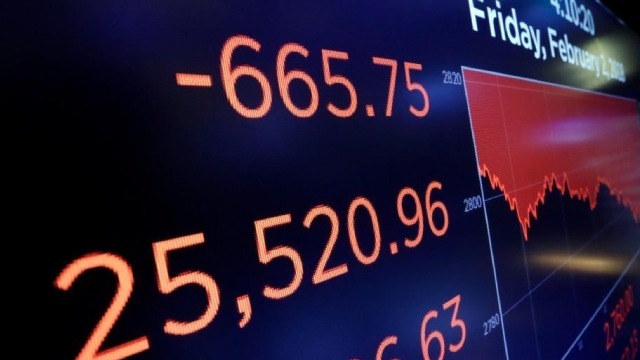
Strong returns in U.S. stocks, particularly over the past two plus years, have led investors to question the relative lack of companies going public via the IPO process — as well as the potential implications for the IPO market in the long term. According to active equity managers, a combination of increased public market regulation, a reduced pipeline of potential offerings following the prior boom, the rising role of large private asset managers in capital raising, and near-term uncertainty surrounding government policy are all contributing factors. At Russell Investments, we think investors benefit from taking a long-term view.

Bull vs. Bear is a weekly feature where the VettaFi writers' room takes opposite sides for a debate on controversial stocks, strategies, or market ideas — with plenty of discussion of ETF ideas to play either angle. For this edition of Bull vs.

Franklin Templeton is further cementing its status as a rising player in the exchange traded funds industry by announcing that it's changing the names of more than a dozen of its ETFs and swapping underlying indexes on several others. Those changes went into effect on August 1.

On the surface, the Franklin LibertyQ U.S. Small Cap Equity ETF (CBOE: FLQS) may not strike many investors as the ideal equity avenue for surviving and thriving during a recession. However, some market observers are bullish on small-caps, even against the backdrop of a potentially rough economic pullback.
Positive vaccine news boosted hopes for an economic reopening in 2021, which flipped market signals, and small caps and value stocks rallied strongly in November. The Russell 2000 Index, a gauge of U.S. small-cap equity performance, delivered some of the strongest gains in its history.