
Loading…
Loading…

FLEH (Franklin FTSE Europe Hedged ETF) is no longer actively trading.
This usually means the fund has been liquidated, merged into another product, or its ticker has been retired. Every price, valuation, dividend, and analyst figure on this page is frozen at the last available trading session and reads as historical reference — not a current-day signal.

Under normal market conditions, the fund invests at least 80% of its assets in the component securities of the index and in depositary receipts representing such securities, including indirectly through the Franklin FTSE Europe ETF. The index is based on the FTSE Developed Europe Hedged to USD Index and is designed to measure the performance of large- and mid-capitalization stocks from developed European countries.
Is FLEH's expense ratio expensive, average, or a steal for its category?
Pro reveals the verdict on a 5-tier spectrum calibrated against ICI 2025 industry averages, with strategy-aware bands so the comparison is meaningful.
As we head toward summer's end, ETF launches remain muted if this week is anything to go by, with only nine new funds debuting, a slight uptick from the week ended July 28. Perhaps most notably, JPMorgan rolled out another two actively managed ETFs on Monday that were converted from mutual funds.
The CPI for services spiked by 5.6% in July, compared to a year ago, up from 5.4% in June and 5.0% in May, another record in the data going back to 1997, according to Eurostat today. “Core” CPI (without food and energy products that consumers buy) remained at 5.5% in July, same as in June, and up from 5.3% in May.
The European Central Bank looks set to hike rates by 25bp on Thursday. With the bleak economic outlook and disinflation gaining traction, however, the end to rate hikes is near.
The latest data show that eurozone growth is not picking up, with services now also losing steam. While it's not all downhill from here, subdued growth is the best we can hope for.
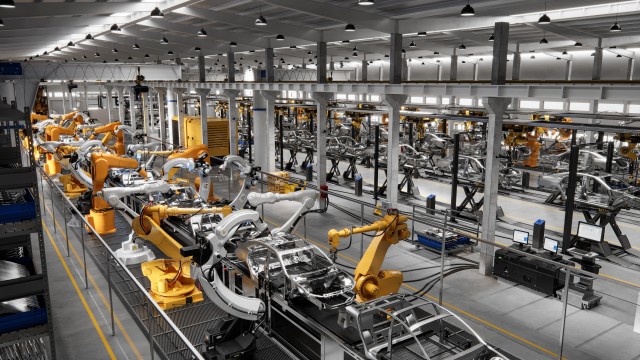
Industrial production growth in Europe has more or less stagnated since late 2020 as the speedy recovery that followed the first round of lockdowns came to a halt. At the same time, the sector is in an incredible state of flux; structural changes around energy and trade are providing substantial challenges for businesses.