
Loading…
Loading…



AI-related equity jitters are unlikely to be resolved overnight and eurozone government bonds could actually come out as a winner. Relative to euro rates, US equity volatility is reaching highs similar to previous crisis periods. A global rebalancing of portfolios could see significant demand for euro rates, mitigating the upward rate pressure.

Europe's macro outlook is shifting. After years of fiscal restraint and fragmented policy, the region is entering a new chapter - one centered on pro-growth fiscal policy, energy security, and capital-market reform.

While U.S. investors may be disappointed with this year's choppy first-quarter performance, European investors celebrate double-digit broad index returns. The Euro Stoxx 50 Index is Europe's blue-chip index covering 50 stocks from 11 Eurozone countries.
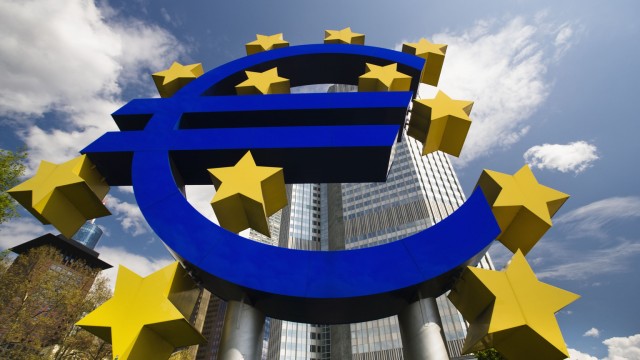
The European Central Bank cut interest rates by 25bps, bringing the deposit rate down to 3.75%. Inflation is expected to come in at 2.5% in 2024, 2.2% in 2025 and 1.9% in 2026.

Declining inflation and slower growth have contributed to the rising potential for rate cuts in Europe. Eurozone core inflation has been coming down more quickly than similar measures in the U.S. and the U.K. If the euro were to weaken and drop through parity, that might give the ECB pause about cutting rates.

LONDON--(BUSINESS WIRE)-- Date TIDM ISIN Code Shares in Issue Currency Net Asset Value NAV/per Share First Trust Eurozone AlphaDEX UCITS ETF 17.05.2024 FEUZ IE00B8X9NY41 1,671,193.00 EUR 70,614,113.88 42.254

Eurozone GDP grew by 0.3% in the first quarter, and that's the strongest growth since the third quarter of 2022 when the energy crisis started.
Business activity in the euro area came close to stabilising in March, as provisional PMI® survey data registered only a marginal decline in output of goods and services.