
Loading…
Loading…

FEHY (FlexShares ESG & Climate High Yield Corporate Core Index Fund) is no longer actively trading.
This usually means the fund has been liquidated, merged into another product, or its ticker has been retired. Every price, valuation, dividend, and analyst figure on this page is frozen at the last available trading session and reads as historical reference, not a current-day signal.

The underlying index seeks to reflect the performance of a selection of U.S.-dollar-denominated high-yield corporate bonds issued by companies that exhibit certain ESG characteristics, while also seeking to provide broad-market, core exposure to U.S.-dollar-denominated high-yield corporate bond of U.S. and non-U.S. issuers. Under normal circumstances, the fund will invest at least 80% of its total assets in the securities of the underlying index. The fund is non-diversified.
Is FEHY's expense ratio expensive, average, or a steal for its category?
Pro reveals the verdict on a 5-tier spectrum calibrated against ICI 2025 industry averages, with strategy-aware bands so the comparison is meaningful.
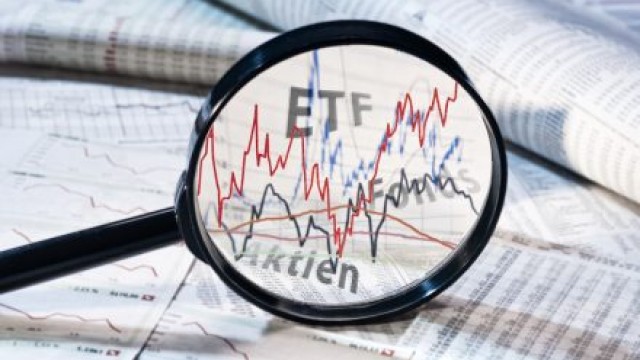
Eleven ETFs launched during the week ending July 14, 2023. Most notably, Schwab, which tends not to introduce a lot of ETFs in any given year, rolled out its first high-yield bond ETF.

The week ending June 30 was marked by some key launches and a continued stream of ETF closures. In all, the ETF industry gained 13 new products.
Sustainable investing offers another opportunity for advisors to have deeper, more meaningful relationships with their clients. ESG investing — or “sustainable investing” — continues to gain awareness, acceptance, and assets, but skepticism among advisors is still common, according to a FlexShares insight based on The Flexible Advisor podcast.
As sustainable investing continues to affirm its place among traditional strategies, many advisors assume that sustainable investing entails a trade-off in returns. “The facts have been for a long time that sustainable funds, on the whole, perform just as well as any other type of funds,” Jon Hale, director of ESG strategy at Morningstar, said [.
Environmental, social, and governance (ESG) investing has seen exponential growth over the past years. While it presents an opportune growth strategy, the question investors need to ask is whether the strategy they're using addresses future risk.