
Loading…
Loading…



Litecoin is bleeding out faster than nearly every major crypto, and the road back to $70 depends on a chain of events that has yet to even begin. Here is what traders are watching and what happens if it all falls apart.

Ethereum has never closed above $5,000, and right now the forces that could push it there are moving in the wrong direction. Here is what needs to change before that target becomes realistic.
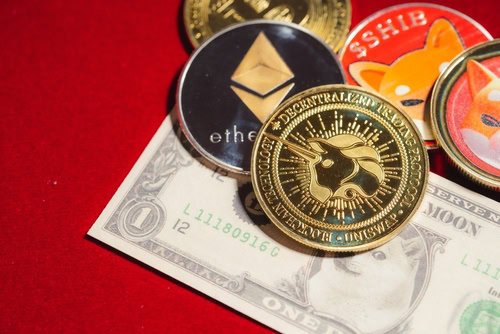
The IRS treats every crypto swap as a taxable sale, meaning a simple Bitcoin-to-Ethereum trade could leave you with an unexpected bill. Your holding period and cost basis determine exactly how much you owe, and the gap between those two factors is wider than most traders realize.

A dormant whale just moved tens of millions in AAVE to exchanges, sending the token tumbling far harder than the broader crypto market. Whether that signals an imminent sell-off or something else entirely could determine if a critical support level survives.

ETH sits 15% below a key price level with ETF outflows piling up, a major upgrade delayed indefinitely, and sellers hitting it harder than Bitcoin. Several factors need to align fast for any November recovery to happen.
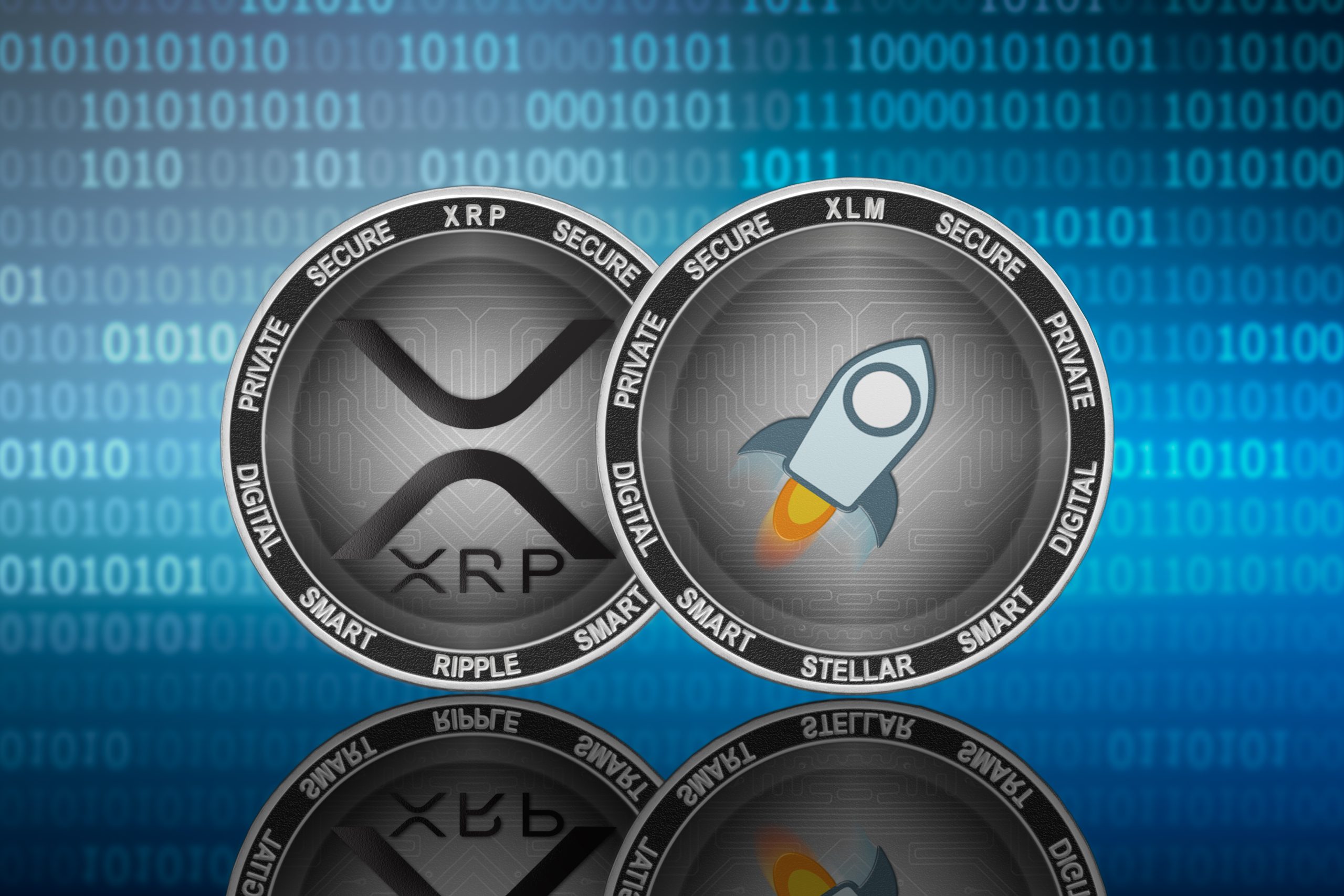
Ripple just landed a federal trust bank charter while XLM and HBAR keep sliding, and the gap between where these three payment coins trade today versus their all-time highs tells a complicated story about which one deserves your next $1,000.

Buying crypto at the peak of a massive rally sounds like a disaster waiting to happen, but the results across Bitcoin, Ethereum, XRP, and Solana over the past five years tell a far more complicated story than you might expect.

ChatGPT ran the numbers on Ethereum, Chainlink, and Uniswap heading into 2026, and the results reveal a surprising split between which coins stand the best shot at hitting their targets and which faces the steepest climb despite its size.
SEC filings for ETH aren't indexed yet (common for recently launched funds). Browse the issuer's filings on SEC EDGAR directly.