
Loading…
Loading…

ESGN (Columbia Sustainable International Equity Income ETF) is no longer actively trading.
This usually means the fund has been liquidated, merged into another product, or its ticker has been retired. Every price, valuation, dividend, and analyst figure on this page is frozen at the last available trading session and reads as historical reference — not a current-day signal.

Last week was a busy one for ETFs, with nine new ETFs launching on the first day of the week alone. Calamos, Innovator, AllianzIM, Direxion, Global X and ProShares were among the issuers rolling out new funds.
The past week saw a total of 14 launches of exchange traded funds. Among them were ETFs from names including Pacer, Global X, Neuberger Berman, Bancreek and The Opportunistic Trader.
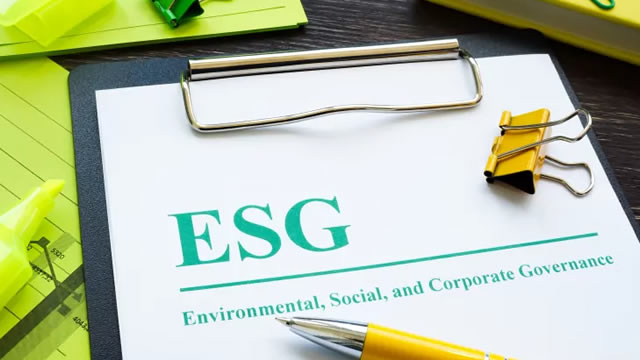
Momentum for the U.S. Responsible Investing industry picked up in January when President Joe Biden signed executive orders to re-enter into the Paris Climate Agreement. In 2021 through October month-end, there were 110 equity and fixed income funds that launched focused on Responsible Investing—71 RI-related ETFs and 39 RI-related mutual funds.

Given the magnitude of the changes we foresee, long-term investors may find opportunities in the technologies and innovations that create renewable energy sources or reduce the carbon intensity of energy production. Net zero is about reducing greenhouse gas emissions so that over time we can achieve an overall balance between emissions produced, and the emissions removed from the overall atmosphere.

Total AUM for ESG/SRI funds is roughly $537.1 billion - 75% represented by actively managed funds. Actively managed funds make up the majority of AUM for both the equity (68%) and fixed income (94%) universe.

In one of the most widely anticipated additions to the benchmark domestic equity gauge in years, electric vehicle (EV) giant Tesla (NASDAQ: TSLA) finally joined the S&P 500 last December. Despite Tesla's status as a leading clean technology company and one of the largest EV manufacturers in the world, its addition to the S&P 500 [.
Currently, there's no single standard for how ESG information should be analyzed and disclosed. Because of this, investors tend to rely heavily on generalized ESG “scores” provided by a handful of vendors. In order to gain a deeper understanding of ESG-related alpha drivers, investors are increasingly leveraging Big Data and Artificial Intelligence for ESG information collection and analysis. While ESG scores provide a static view, alternative data provides more dimensions of insight.
A pair of ETF products from HANetf are changing the indices they track, moving to an equal weighting across all stocks and including a negative ESG screen in both indices. The negative ESG screen includes norms-based screening, controversial weapons screening and a simple fossil fuel sector screen.