
Loading…
Loading…



The S&P 500 (SPY) rallied 5.7% this week but remains down 5.4% since the close on "Liberation Day" on 4/2. The average country ETF is down 4% since 4/2, so SPY has underperformed that since Trump's Rose Garden announcement. Asian countries like Vietnam (VNAM) and Thailand (THD) had some of the harshest reciprocal tariffs announced on Liberation Day, and since the pause, these two have bounced back 16.7% and 14.1%.

The iShares MSCI New Zealand ETF covers 25 of the largest stocks from the MSCI New Zealand All Cap Index. ENZL's performance over the last 4 years has been largely disappointing. New Zealand's macroeconomic backdrop looks troubling, with GDP contraction and struggling services and manufacturing sectors, though further interest rate cuts may offer some relief.

US equities have outperformed the rest of the world for a long time now. While the US is up 58% on a total return basis during the current bull market, the rest of the world is up 13.5 percentage points less at +44.5%. Looking at the international dividend ETF over a longer time frame, over the last five years, it's up 20.6% in price and more than double that on a total return basis.

This week opened with a deluge of 15 new ETFs on Monday, with only a single launch occurring after that. Perhaps the most notable of the debuts was the first buffer ETF from iShares.

The Rugby Union World Cup starts in France on September 8. Prepare for several weeks of sweaty scrums, rambunctious rucks and muscular mauls.
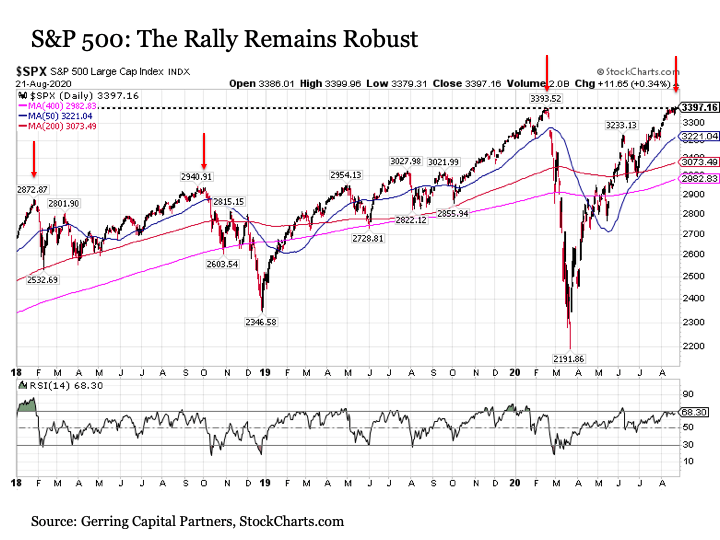
U.S. stock market performance remains robust.
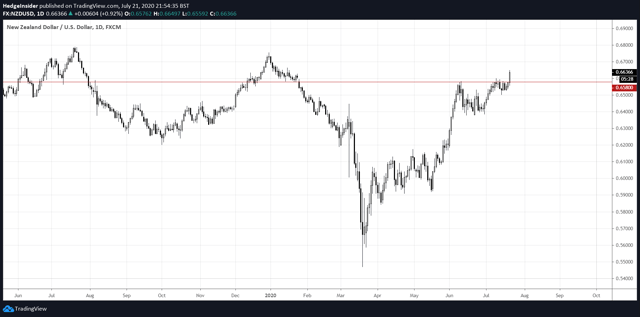
NZD/USD has recently staged a breakout above a short-term resistance level of approximately 0.6580. While NZD/USD offers no carry-trade appeal, New Zealand does seem to have weathered the recent COVID-19 crisis of 2020 better than the United States from a terms of trade perspective.

Is it really the right time for New Zealand to weaken ties with its neighbour after a long history of cooperation?