
Loading…
Loading…


This ETF aims to replicate the performance of the iShares MSCI EM ETF (EEM), though with an upper limit on potential gains. It also provides a safeguard for investors, absorbing the initial 15% of any losses over its specific outcome period. The fund is suitable for continuous investment, as its cap and downside protection features are reset approximately once a year when each outcome period concludes.
Is EJUL's expense ratio expensive, average, or a steal for its category?
Pro reveals the verdict on a 5-tier spectrum calibrated against ICI 2025 industry averages, with strategy-aware bands so the comparison is meaningful.

Access Financial Services Inc. lessened its holdings in shares of Innovator MSCI Emerging Markets Power Buffer ETF - July (NYSEARCA:EJUL) by 63.1% during the fourth quarter, according to the company in its most recent filing with the Securities and Exchange Commission. The firm owned 45,168 shares of the company's stock after selling


Emerging markets continued to expand at a solid pace midway into the first quarter of 2024, supported by broad-based expansion across both manufacturing and service sectors.

Past experience shows us that emerging markets have historically reacted positively to higher global rates, especially if the latter reflects an improving global growth outlook. Most emerging markets will start normalizing rates well before the U.S. and developed markets.
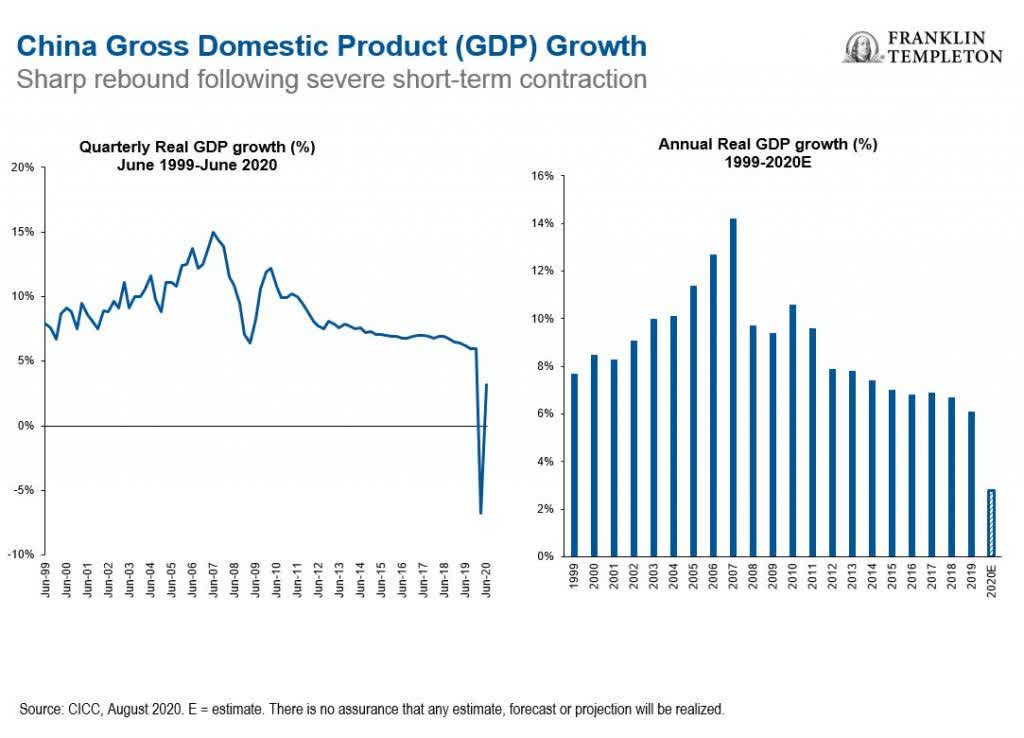
Asian markets rose in August to seal the best regional performance in EMs. Stocks in China, India and Indonesia posted notable gains.