
Loading…
Loading…



Investors continue to pump money into ESG-themed funds even after the market faced its worst slump since 1970. Bloomberg is reporting that investors last week put more than $1.2 billion into ESG-focused ETFs.

Global regulators are pushing for banks and institutional investors to disclose carbon emissions linked to their loans and investments. On Thursday, the International Sustainability Standards Board published a draft of its proposed standards, which provide a yardstick for regulators around the globe to use for imposing standardized disclosure rules on companies.

While there's still much work to be done, some developing economies are increasingly prioritizing sustainability and carbon reduction efforts. That's a long-ranging trend that could result in trillions of dollars of capital commitments, perhaps indicating compelling trajectories for exchange traded funds like the SPDR MSCI Emerging Markets Fossil Fuel Reserves Free ETF (EEMX).

More investors are constructing portfolios with environmental, social, and governance principles in mind. This includes explicit carbon-reduction targets, temperature alignment goals, and climate objectives such as mitigation and adaption.

The effects of the Russia-Ukraine war have been far-reaching and devastating. In response to Russia's invasion of Ukraine, NATO countries have been placing sanctions on Russia, companies have stopped doing business in the country, and index providers such as MSCI and FTSE Russell have delisted Russian securities from their indexes, making the region essentially uninvestable.

World leaders on Wednesday endorsed a resolution at the UN Environment Assembly in Nairobi to end plastic pollution and create an international legally binding agreement by 2024. The resolution, titled “End Plastic Pollution: Towards an internationally legally binding instrument,” was adopted at the conclusion of the three-day UNEA-5.2 meeting and addresses the full lifecycle of plastic, including its production, [.

Past experience shows us that emerging markets have historically reacted positively to higher global rates, especially if the latter reflects an improving global growth outlook. Most emerging markets will start normalizing rates well before the U.S. and developed markets.
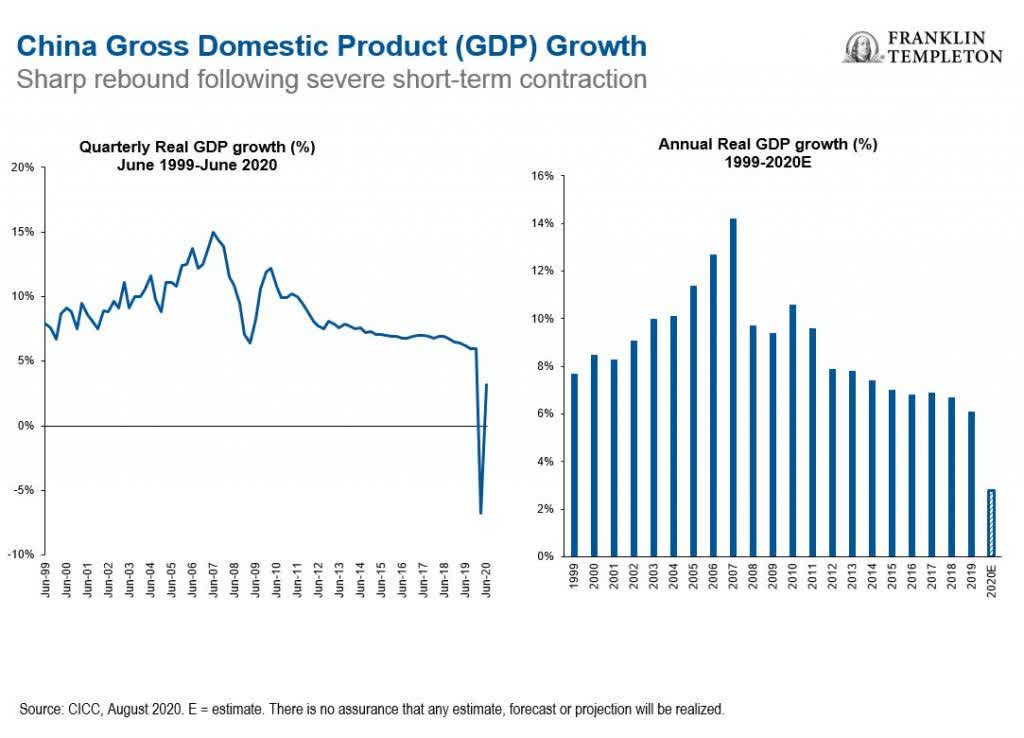
Asian markets rose in August to seal the best regional performance in EMs. Stocks in China, India and Indonesia posted notable gains.