
Loading…
Loading…

DXJS (WisdomTree Japan Opportunities Fund) is no longer actively trading.
This usually means the fund has been liquidated, merged into another product, or its ticker has been retired. Every price, valuation, dividend, and analyst figure on this page is frozen at the last available trading session and reads as historical reference — not a current-day signal.


Japanese stocks were higher following a recovery in U.S. technology stocks overnight.

Japan spent about $73 billion on foreign exchange intervention and the Bank of Japan has raised rates, but the yen remains near 160 against the dollar. A wide U.S.-Japan rate gap, carry trades and Prime Minister Sanae Takaichi's reflationary stance continue to weigh on the currency.

At the recent Midyear Market Outlook Symposium, TMX VettaFi Investment Strategist Cinthia Murphy led a timely discussion on the shifting global investment landscape. With uncertainty building in U.S. markets and international equities outperforming in 2025, investors are increasingly asking whether this trend has staying power.

As the global private equity industry took tentative steps toward recovery in 2024, Japan raced ahead. The value of private equity investment in Japan jumped nearly 41% over the prior-year total in 2024, far outpacing the 25% year-over-year gain in global private equity deal value, according to S&P Global Market Intelligence data.

The “real” policy rate is massively negative, with the new policy rate of 0.25% far below Core CPI of 2.6%. When QT reaches about ¥3 trillion per month in 2026, it would represent a reduction of its JGB holdings of about 0.5% per month.
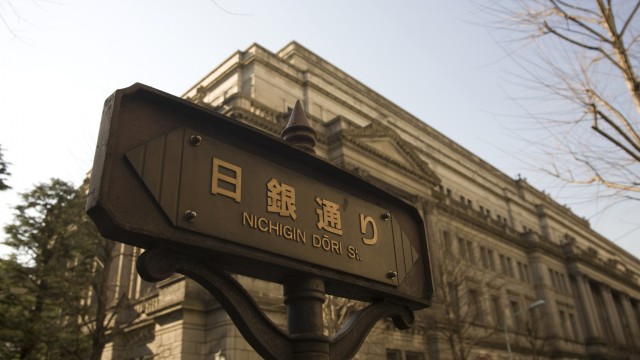
In March, the Bank of Japan abolished its 8-year-old negative interest rate policy, hiking rates for the first time in 17 years by raising its benchmark rate to 0-0.1%. To combat inflation while also avoiding an excessive surge in interest payments, the BOJ is considering passive quantitative tightening.

We'd rather downplay the weaker-than-expected manufacturing data and focus on a solid recovery in retail sales and a reacceleration in inflation, which will be welcomed by the Bank of Japan. Inflation has been quite choppy due to various government programmes and utility prices.

By end-April 2024, Japanese equities had outperformed the FTSE All-World index over 12 months and in the year to date. Japan has undertaken significant structural corporate reforms in recent years.