
Loading…
Loading…



Emerging markets continued to expand at a solid pace midway into the first quarter of 2024, supported by broad-based expansion across both manufacturing and service sectors.

Emerging markets can come with a lot of growth potential. However, they also usually have more volatility than you might get with developed markets.
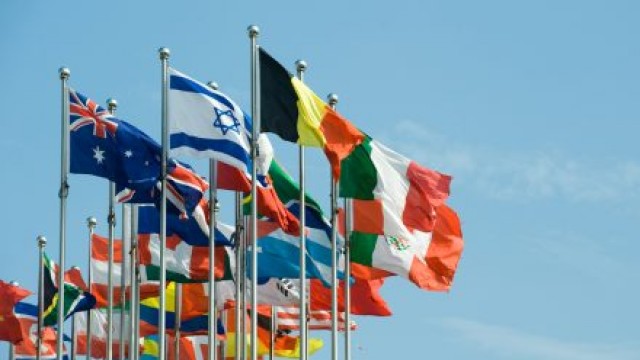
After a rough 2022, some investors are eying international equities to make up for their losses. Not only are many of the world's most competitive companies trading at bargain-basement prices, but some strategists believe that global stocks are poised to rally.

The U.S. dollar is at its highest level since 2000. According to the IMF, since the start of this year, the dollar has appreciated 22% against the yen, 13% against the euro, and 6% against emerging market currencies.

International currency moves will impact investors' foreign equity allocations, but investors can turn to currency-hedged exchange traded fund strategies to mitigate the foreign exchange risks and provide a purer play on the underlying overseas markets. In the upcoming webcast, A Strategy to Thrive in a Strong U.S.
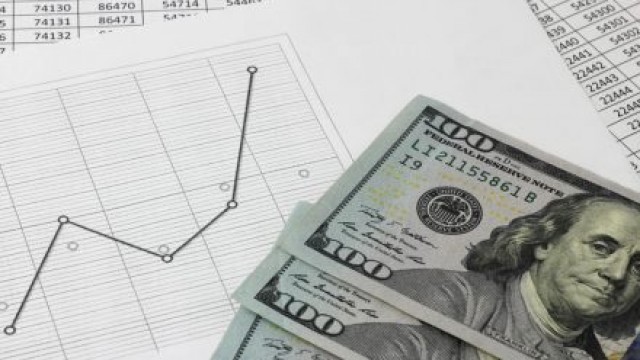
As the U.S. dollar strengthens amid changing central bank monetary policy, global equity investors could find their international market exposures experiencing unintended foreign exchange currency risks. In the upcoming webcast, A Strategy to Thrive in a Strong U.S.
Currency markets are often overlooked and misunderstood. But as central banks eye new rate changes and inflation proves less transitory than expected, investors would do well to carefully consider how currency exchange rates can impact their international equity allocations.

Past experience shows us that emerging markets have historically reacted positively to higher global rates, especially if the latter reflects an improving global growth outlook. Most emerging markets will start normalizing rates well before the U.S. and developed markets.