
Loading…
Loading…

CIO (City Office REIT, Inc.) is no longer actively trading.
This usually means the fund has been liquidated, merged into another product, or its ticker has been retired. Every price, valuation, dividend, and analyst figure on this page is frozen at the last available trading session and reads as historical reference — not a current-day signal.

City Office REIT, Inc., trading as CIO on the NYSE, focuses its investment strategy on acquiring premium office properties. These assets are situated in dynamic urban centers, often referred to as "18-hour cities," distinguished by their robust economic growth, primarily across the Southern and Western United States. As of September 30, 2020, the company's portfolio encompassed office complexes totaling 5.8 million square feet of leasable space, known as Net Rentable Area.

The sale was valued at $104,005. The transaction size equaled 6% of the equity stake held by the insider before the filing.
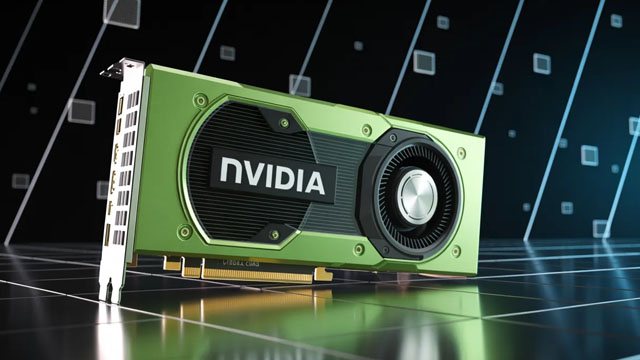
Prime Capital Financial CIO Will McGoff discusses Nvidia's latest earnings report, what it signals about the AI investment cycle, and why he sees a potential catch-up trade in the Magnificent Seven stocks. He also touches on Nvidia's potential in China.

The disposition involved 11,650 shares at a weighted average price of $235.72, totaling approximately $2.7 million. Greene executed the sale directly and maintains no indirect equity holdings through trusts or other legal entities.

AFFO Per Share (Q2): $1.09, representing 3.8% growth.AFFO Per Share (Year-to-Date): $2.22, representing 5.2% growth.Full-Year 2026 AFFO Guidance: Increased to a

Jimmy Chang, Chief Investment Officer at Rockefeller Global Family Office, used CNBC's Closing Bell Overtime to deliver a pointed warning ahead of Big Tech earnings: the record AI CapEx cycle may already be masking an overbuild that markets have not yet learned to see.