
Loading…
Loading…

BNKZ (MicroSectors U.S. Big Banks Index -2X Inverse Leveraged ETNs) is no longer actively trading.
This usually means the fund has been liquidated, merged into another product, or its ticker has been retired. Every price, valuation, dividend, and analyst figure on this page is frozen at the last available trading session and reads as historical reference — not a current-day signal.

The investment seeks to reflect an inverse exposure t to reflect a 2x inverse leveraged exposure to the performance of the Solactive MicroSectorsTM U.S. Big Banks Index on a daily basis. The notes are senior unsecured medium-term notes issued by Bank of Montreal with a return linked to a two times leveraged participation in the inverse performance of the index, compounded daily, less a Daily Investor Fee, any negative Daily Interest and, if applicable, the Redemption Fee Amount. The index is an equal-dollar weighted index designed to represent the 10 U.S. stocks with the largest market capitalization in the banking sector.
Is BNKZ's expense ratio expensive, average, or a steal for its category?
Pro reveals the verdict on a 5-tier spectrum calibrated against ICI 2025 industry averages, with strategy-aware bands so the comparison is meaningful.
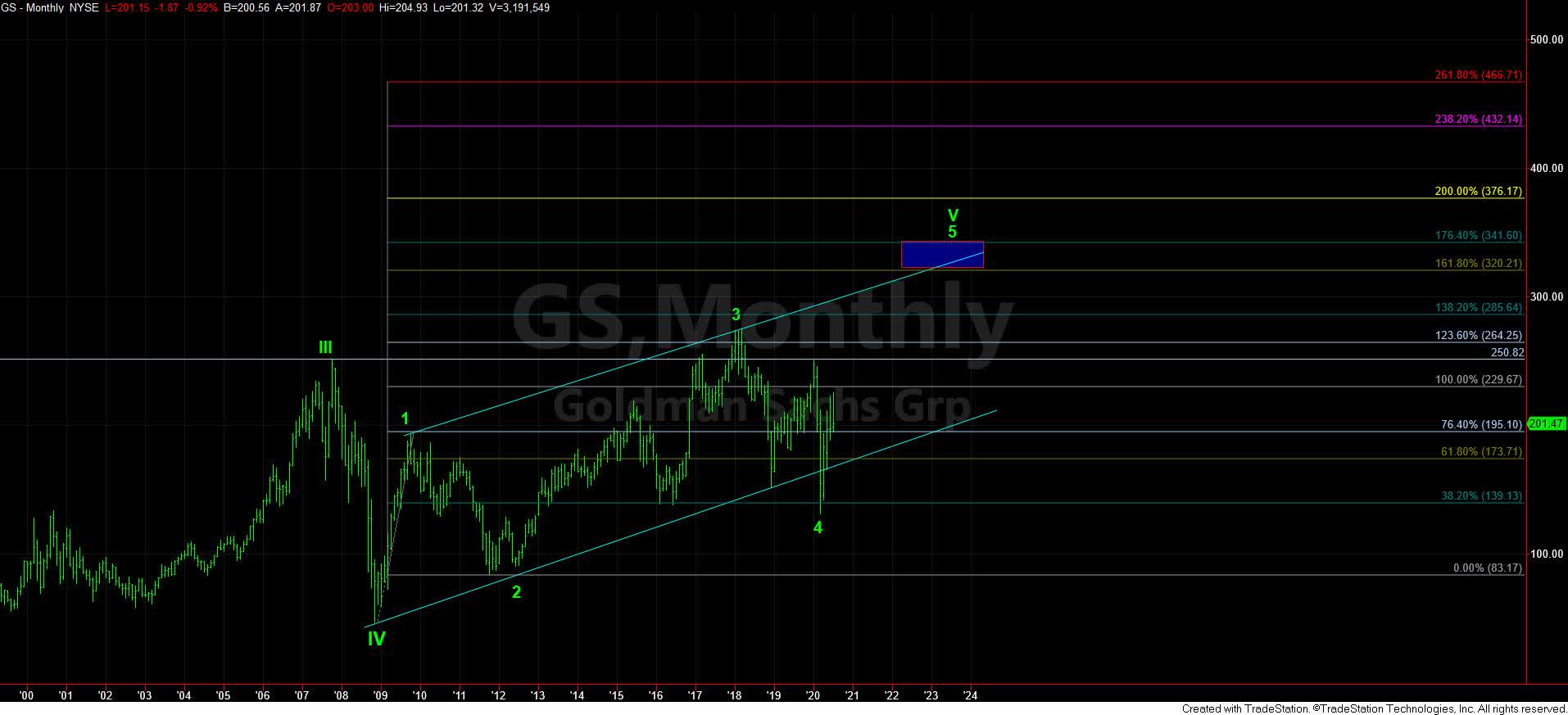
Many depositors do not understand the relationship they have with their bank. You are only a creditor to your bank, which has certain legal ramifications.

U.S. banks' earnings per share was down 50% compared to one year ago.
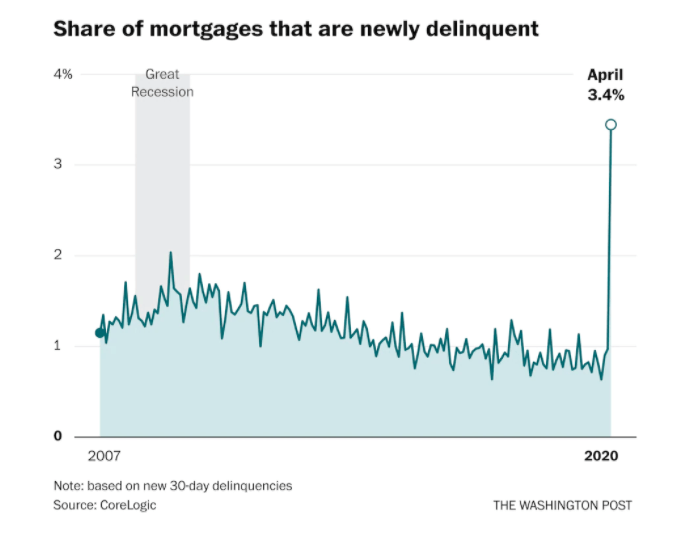
As the Trump admin works daily to prop up the stock market as key to its re-election bid in November, a financial pandemic continues to undercut the real economy and national income.
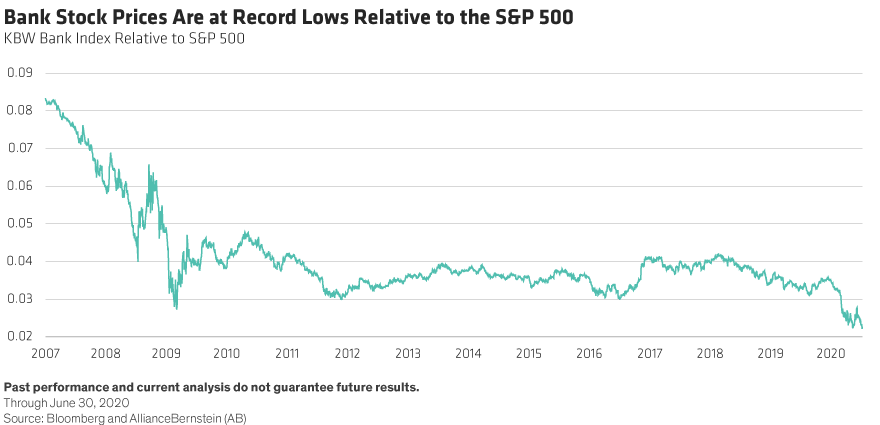
Stress test outcomes on three historic criteria did not trigger dramatic changes for the sector. The new fourth test, a stress capital buffer because of the pandemic-induced recession, created a bit more angst.
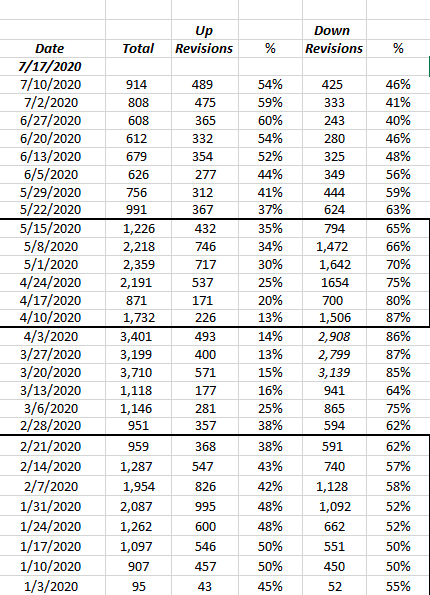
My own bias coming into Q2 ’20 given the very low expectations is that the numbers are “better-than-expected”.