
Loading…
Loading…


The Global X MSCI Argentina ETF (ARGT) is engineered to closely track the overall market performance of the MSCI All Argentina 25/50 Index. Its objective is to replicate the index's total return, which includes both capital appreciation and dividend income, prior to accounting for any operational fees or expenses.
Is ARGT's expense ratio expensive, average, or a steal for its category?
Pro reveals the verdict on a 5-tier spectrum calibrated against ICI 2025 industry averages, with strategy-aware bands so the comparison is meaningful.
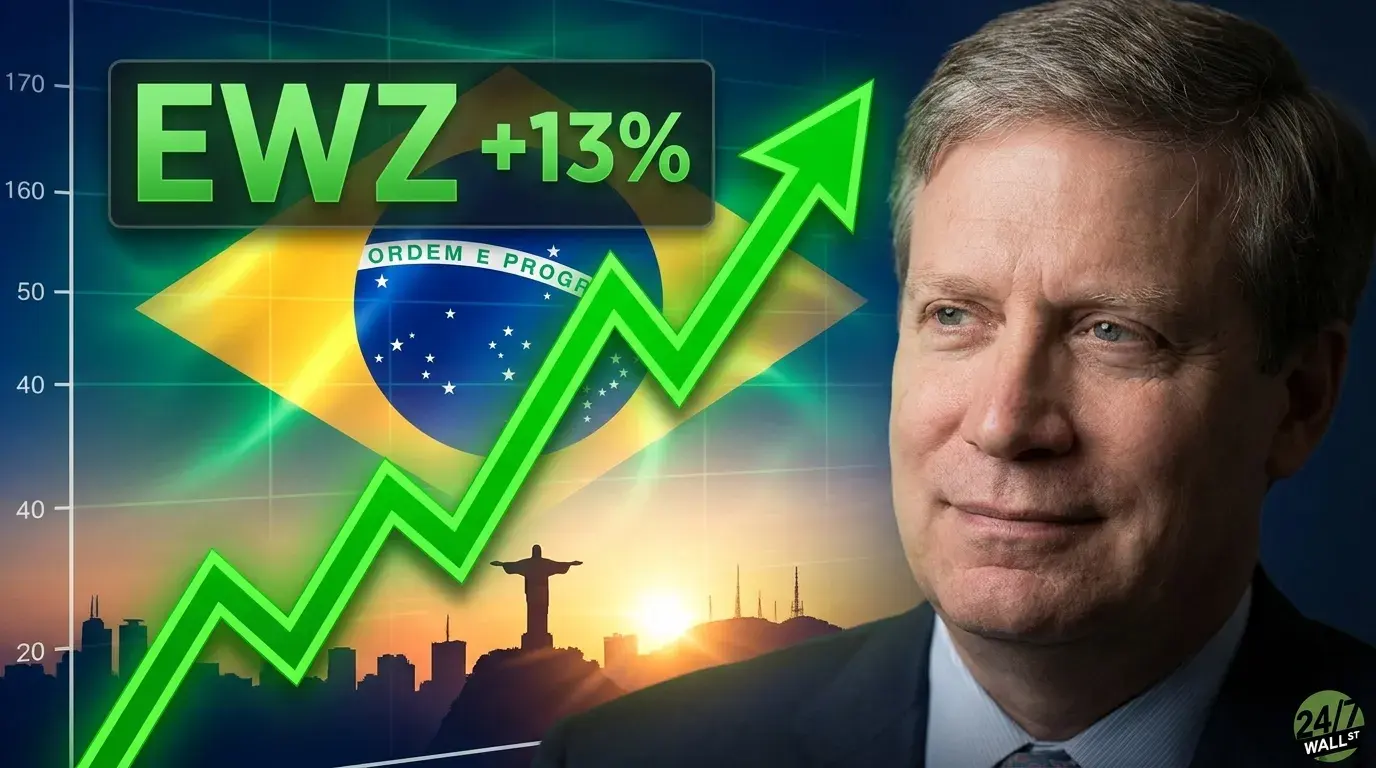
An election shock sent Brazil's biggest ETF surging, and one billionaire investor had a massive stake sitting quietly on the books since June. Whether that position survived the months between then and today is the question nobody can answer yet.

Argentina's President Javier Milei says he's "very calm" about his chances to win another term next year. Speaking with Bloomberg News Editor-In-Chief John Micklethwait in New York, Milei also expects Argentina's economy to grow around 3% this year and similarly next year.
Global X MSCI Argentina ETF (NYSEARCA:ARGT - Get Free Report)'s stock price passed above its fifty day moving average during trading on Thursday. The stock has a fifty day moving average of $93.36 and traded as high as $99.50. Global X MSCI Argentina ETF shares last traded at $96.80, with a volume of 258,751

International stocks can be great for diversification, but they can also be risky for reasons most investors aren't familiar with. Stanley Druckenmiller's investments in Argentine companies carry significant risks stemming from the country's politics.
ARGT's underlying macro thesis remains intact, supported by falling inflation, improving country risk, and ongoing structural reforms. The main change is rising political uncertainty ahead of the 2027 presidential election, which has contributed to the fund's underperformance relative to other Latin American markets. The ETF combines companies with very different valuations and fundamentals, with YPF offering stronger company-specific fundamentals while domestic banks continue to trade at lower multiples.